
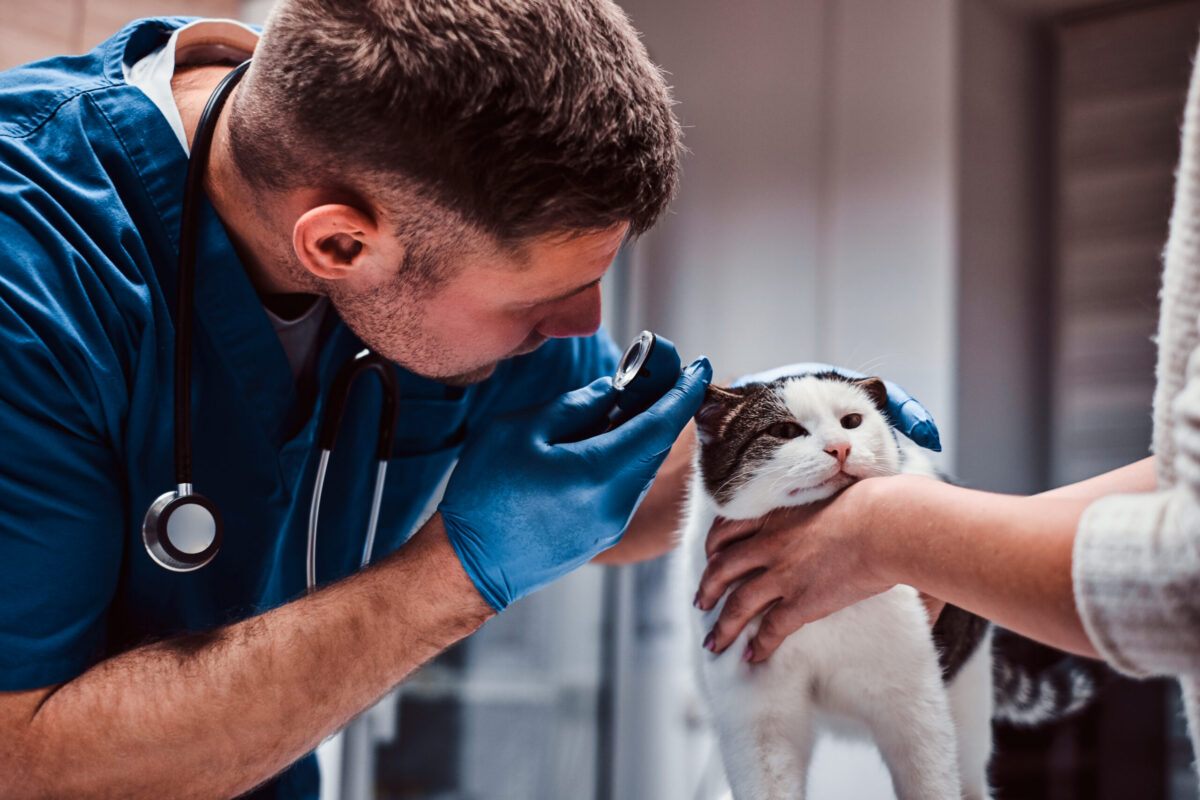
When your cat won’t eat, it can quickly become concerning. Cats are known for being selective eaters at times, but a sudden loss of appetite may signal an underlying health issue that needs attention. Unlike some pets, cats can become seriously ill after going without food for even a short period of time.
At Urgent Pet Care Center, we understand how stressful it can feel when your cat refuses meals, turns away from treats, or suddenly acts unlike themselves. Our compassionate team provides trusted urgent care for cats when pet owners need answers and support quickly.
In this guide, we’ll walk through common reasons cats stop eating, warning signs to watch for, and when it’s time to seek veterinary care.
Why Appetite Changes in Cats Matter
A decreased appetite is often one of the earliest signs that something is wrong with your cat’s health. Because cats tend to hide discomfort, subtle changes in eating habits may be one of the only clues that they are not feeling well.
If your cat won’t eat for more than 24 hours, it’s important to contact a veterinarian. Kittens, senior cats, and cats with existing health conditions may need attention even sooner.
Extended appetite loss can lead to serious complications, including: dehydration, nutritional deficiencies, weight loss, weakness, hepatic lipidosis (fatty liver disease).
Fatty liver disease is especially dangerous in cats and can develop surprisingly quickly when they stop eating.
Common Reasons Your Cat Won’t Eat
There are many possible reasons a cat may lose interest in food. Some are relatively mild, while others require prompt medical treatment.
Dental Pain or Mouth Problems
Cats with dental disease, broken teeth, or oral infections often stop eating because chewing becomes painful.
Signs of mouth discomfort include:
- Drooling
- Pawing at the mouth
- Bad breath
- Difficulty chewing
- Preferring soft food
- Dropping food while eating
Even if your cat seems hungry, dental pain can make eating difficult and frustrating.
Digestive Upset
Stomach issues are another common reason a cat won’t eat. Nausea, constipation, hairballs, or gastrointestinal illness can quickly reduce appetite.
You may also notice vomiting, diarrhea, hiding, low energy, and abdominal discomfort.
Some digestive conditions resolve quickly, while others require professional treatment and monitoring.
Stress or Environmental Changes
Cats are creatures of habit. Even small changes in their environment can affect appetite.
Common stressors include:
- Moving to a new home
- New pets
- Loud noises
- Travel
- Changes in routine
- Boarding
- Construction or visitors
Stress-related appetite loss may improve once your cat feels safe and settled again, but prolonged refusal to eat still warrants veterinary attention.
Illness or Infection
Many illnesses can cause changes in appetite in cats, including respiratory infections, kidney disease, liver disease, diabetes, fever, pancreatitis, and cancer.
Cats often become less interested in food when they feel sick overall. Because symptoms can be subtle, professional evaluation is important if appetite loss continues.
Pain or Injury
Cats experiencing pain may withdraw, hide, or stop eating entirely. Injuries, arthritis, internal pain, or muscle strain can all contribute to appetite loss.
Some cats become quieter than usual, while others may seem irritable or avoid being touched.
Warning Signs That Require Veterinary Attention
Sometimes appetite loss improves within a few hours. Other times, it may signal a more serious medical issue that requires urgent care for cats.
You should seek veterinary care promptly if your cat:
- Has not eaten for 24 hours or more
- Is vomiting repeatedly
- Has diarrhea
- Appears lethargic
- Is hiding excessively
- Has difficulty breathing
- Shows signs of pain
- Has pale gums
- Cannot keep water down
- Experiences sudden weight loss
Kittens and senior cats are especially vulnerable to complications from not eating.
What to Do at Home if Your Cat Won’t Eat
If your cat has only recently stopped eating and is otherwise acting normally, there are a few things you can try at home while closely monitoring them.
Offer Fresh Food
Cats can be sensitive to stale food or unfamiliar textures. Try:
- Opening a fresh can of wet food
- Offering warmed food to enhance the smell
- Trying a different flavor or texture
- Cleaning food bowls thoroughly
Sometimes slightly warming food can encourage eating by increasing its aroma.
Encourage Hydration
Hydration is just as important as eating.
Try encouraging water intake by:
- Providing fresh water frequently
- Using a cat fountain
- Offering low-sodium broth
- Adding water to wet food
Dehydration can worsen illness and further decrease appetite.
Reduce Stress
If stress may be contributing to appetite loss, create a quiet and comfortable environment.
Helpful strategies include:
- Keeping feeding areas calm
- Maintaining routines
- Providing hiding spaces
- Limiting loud activity
- Using pheromone diffusers
Some cats simply need time and reassurance after environmental changes.
Monitor Symptoms Closely
Keep track of:
- How long has your cat refused food
- Water intake
- Vomiting or diarrhea
- Energy levels
- Bathroom habits
- Behavioral changes
This information can help your veterinary team determine the best next steps if symptoms continue.
When to Seek Urgent Care for Cats
It can be difficult to know when appetite loss becomes an emergency. In many cases, early treatment leads to better outcomes and faster recovery.
You should seek urgent care for cats if your cat:
- Completely refuses food for 24 hours
- Stops drinking water
- Vomits repeatedly
- Has trouble breathing
- Becomes weak or unresponsive
- Appears dehydrated
- Has sudden behavioral changes
- Shows signs of severe pain
Cats can decline quickly when underlying illnesses are involved. Trust your instincts if something feels wrong.
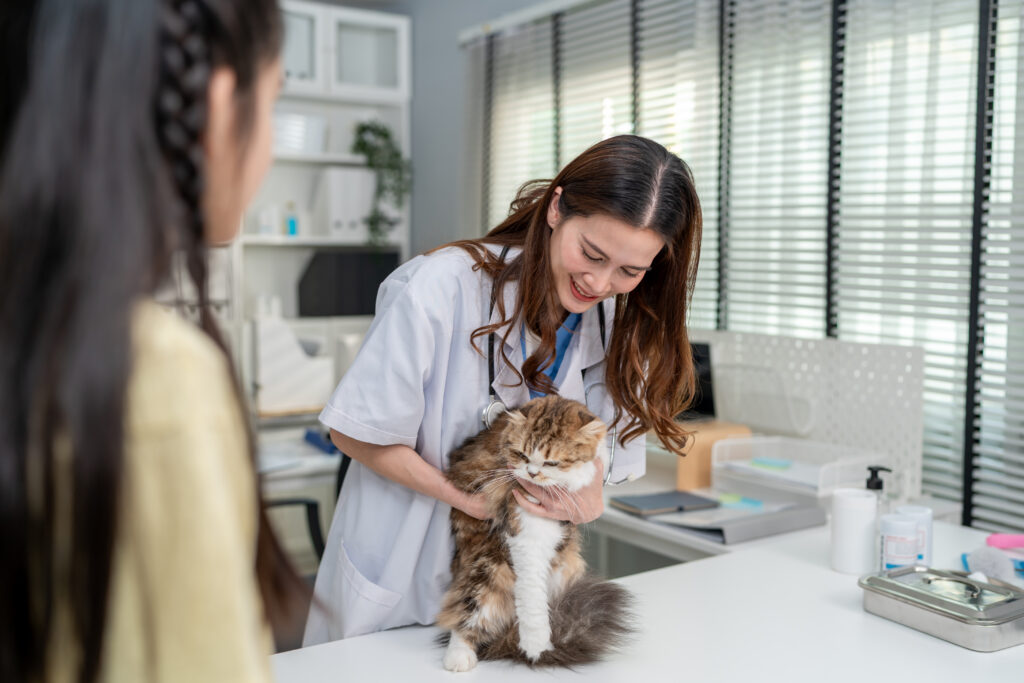
At Urgent Pet Care Center, we provide same-day evaluations for cats experiencing sudden illness or concerning symptoms. Our goal is to help identify the cause quickly while keeping your cat as comfortable as possible.
How Veterinarians Diagnose Appetite Loss
When your cat won’t eat, your veterinary team may recommend diagnostic testing to determine the cause.
Depending on the symptoms, this could include a physical examination, blood work, X-rays, urinalysis, ultrasound, an oral examination, and temperature checks.
Because appetite loss has many possible causes, diagnostics help guide the most effective treatment plan.
Treatment Options for Cats Who Won’t Eat
Treatment depends entirely on the underlying cause of appetite loss.
Your veterinarian may recommend:
- Anti-nausea medication
- Appetite stimulants
- Fluid therapy
- Pain management
- Prescription diets
- Dental treatment
- Hospitalization in severe cases
The good news is that many cats improve significantly once the root problem is addressed.
Preventing Appetite Problems in Cats
While not every illness can be prevented, there are steps pet owners can take to support long-term health.
Schedule Routine Veterinary Care
Regular wellness exams can help catch medical issues before symptoms become severe.
Monitor Eating Habits
Pay attention to: changes in appetite, food preferences, weight fluctuation, and drinking habits. Subtle changes often appear before more obvious symptoms develop.
Reduce Household Stress
Cats thrive in predictable environments. Providing consistent routines and quiet spaces can help support emotional well-being.
Keep Toxic Substances Away
Many household items can cause nausea or poisoning in cats, including human medications, toxic plants, essential oils, cleaning chemicals, and certain foods.
Keeping dangerous items out of reach can help prevent emergencies.
Why Cats Hide Illness So Well
One reason appetite loss can feel so alarming is that cats are experts at masking discomfort. In the wild, showing weakness could make animals vulnerable, so many cats instinctively hide symptoms until they become severe.
Because of this, even mild changes in appetite deserve attention.
If your cat won’t eat and seems “off” in any way, it’s always appropriate to contact a veterinary professional for guidance.
Compassionate Support When Your Cat Needs Care
Watching your cat refuse food can feel stressful and overwhelming, especially when you are unsure what’s causing the problem. Whether the issue is mild stomach upset or a more serious illness, timely care can make a significant difference in your cat’s comfort and recovery.
Our experienced team provides trusted urgent care for cats with compassion, clarity, and efficiency. We know how important your cat is to your family, and we’re here to help you navigate concerning symptoms with confidence.
If your cat has stopped eating, is vomiting, acting lethargic, or showing unusual behavior, contact Urgent Pet Care Center today for same-day support and evaluation.
For more pet health tips and urgent care for cats guidance, follow Urgent Pet Care Center on Instagram and Facebook for educational resources, updates, and behind-the-scenes moments from our team.