

What Is Arthritis in Dogs?
Osteoarthritis (OA), simply referred to as arthritis, is the most common form of arthritis in dogs. It is a chronic, degenerative and irreversible condition of the joints in dogs that causes stiffness, pain and inflammation. It most commonly affects older dogs, but it can develop in younger pets too. It is often the result of injuries, joint abnormalities, obesity, or even genetic/breed-related conditions. Over time, the cartilage that cushions joints begins to wear down. This leads to friction between bones, resulting in discomfort and reduced mobility. Without proper dog pain management, arthritis in dogs can significantly impact your pet’s daily life. There are different types of arthritis in dogs, but osteoarthritis is the most common. This form develops gradually and worsens over time, which is why early detection is so important.Why Early Detection Matters
Early detection of arthritis in dogs allows for more effective pet pain management and helps slow the progression of the condition. Many dogs adapt to discomfort, which means symptoms can go unnoticed until the condition becomes more advanced. Early intervention can improve mobility, reduce long-term joint damage, support overall health, and help extend your dog’s active years. Understanding how to help a dog with arthritis starts with recognizing the early signs and taking action before symptoms worsen.Early Signs of Arthritis in Dogs Many Owners Miss
Arthritis often develops gradually, and the early signs can be easy to overlook. Paying close attention to small changes in behavior can help you catch the condition sooner.Subtle Changes in Movement
One of the earliest signs is a change in your dog’s movement. You may notice:
- Slight stiffness after resting
- Hesitation before jumping or climbing stairs
- Slower movement during walks
- Favoring one leg occasionally
These signs may come and go at first, making them easy to dismiss. However, they often indicate the beginning stages of joint discomfort.
Decreased Activity or Playfulness
Some of the early signs of arthritis in dogs may include:
- Reluctance to go on walks
- Less enthusiasm for play or exercise
- Spending more time resting
These changes are sometimes mistaken for normal aging, but they can signal the need for better dog pain management.
Behavioral Changes
Pain also affects your dog’s mood and behavior. Watch for:
- Irritability or sensitivity to touch
- Withdrawal from family members
- Changes in sleeping patterns
These signs are often overlooked but are important indicators when evaluating joint pain.
Difficulty Standing or Lying Down
Dogs with early arthritis may struggle with transitions like standing up or lying down. You might notice:
- Slow or awkward movements
- Hesitation before getting up
- Occasional slipping on floors
These subtle signs can point to joint discomfort that benefits from early pet pain management.
Common Causes of Arthritis in Dogs
Arthritis in dogs can develop for many reasons, including normal wear and tear as they age, past injuries, joint abnormalities like hip or elbow dysplasia, excess weight that puts added stress on the joints, and breed-related genetic factors.
Larger breeds are often more prone to joint issues due to increased stress on their joints over time. However, smaller dogs can also develop the condition, especially if there are underlying joint issues.
Dog Pain Management Options and Strategies
Managing arthritis focuses on reducing pain, improving mobility, and maintaining quality of life. There are several dog pain management strategies that can help.
Medications
Pain medications are one of the most common ways to manage arthritis in dogs. By reducing inflammation and relieving discomfort, these medications can help dogs stay active, and enhance their overall quality of life. Depending on your dog’s needs, a veterinarian may recommend anti-inflammatory medications, pain relievers, or a combination of therapies, along with ongoing monitoring to ensure treatment remains safe and effective.
Weight Management
Maintaining a healthy weight is one of the most effective ways to reduce stress on joints. Even a small amount of weight loss can significantly improve comfort for dogs with arthritis.
Joint Supplements
Supplements such as glucosamine and chondroitin can support joint health and may help slow the progression of arthritis in dogs.
Physical Therapy and Exercise
Gentle, regular exercise helps maintain muscle strength and joint flexibility. Low-impact activities like walking or swimming are often recommended.
Alternative Therapies
Some dogs benefit from additional therapies such as laser therapy, acupuncture, or massage. These can complement traditional dog pain management approaches and provide added comfort.
Home Adjustments
Simple changes at home can make a big difference, such as adding rugs to prevent slipping, providing orthopedic bedding, using ramps instead of stairs, and keeping food and water easily accessible.
These adjustments are an important part of helping a dog with arthritis live more comfortably.
How to Help a Dog with Arthritis at Home
Caring for a dog with arthritis involves ongoing attention and small daily adjustments that support their comfort.
Here are practical ways to support your pet:
- Keep exercise consistent but gentle
- Monitor for changes in mobility or behavior
- Provide a warm, comfortable resting area
- Avoid activities that put strain on joints
- Stick to a regular routine to reduce stress
Consistency is key when learning how to help a dog with arthritis. Small, thoughtful changes can make a significant difference over time.
When to Visit an Urgent Care Vet
While arthritis in dogs is typically a chronic condition, there are times when veterinary care is needed sooner rather than later.
You should seek care if:
- Your dog suddenly refuses to walk or bear weight
- Pain appears to worsen quickly
- There are signs of injury or swelling
- Current dog pain management strategies are no longer effective
Urgent Pet Care Centers offers same-day evaluations to help assess your dog’s condition and adjust their care plan as needed.
Long-Term Outlook for Arthritis in Dogs
Arthritis is a lifelong condition, but with proper care, many dogs continue to live happy, active lives.
Consistent dog pain management, regular veterinary check-ins, and supportive home care all play a role in maintaining your pet’s comfort.
Knowing how to help a dog with arthritis allows you to make informed decisions that support their well-being over time.
Lifestyle Tips for Dogs Living with Arthritis
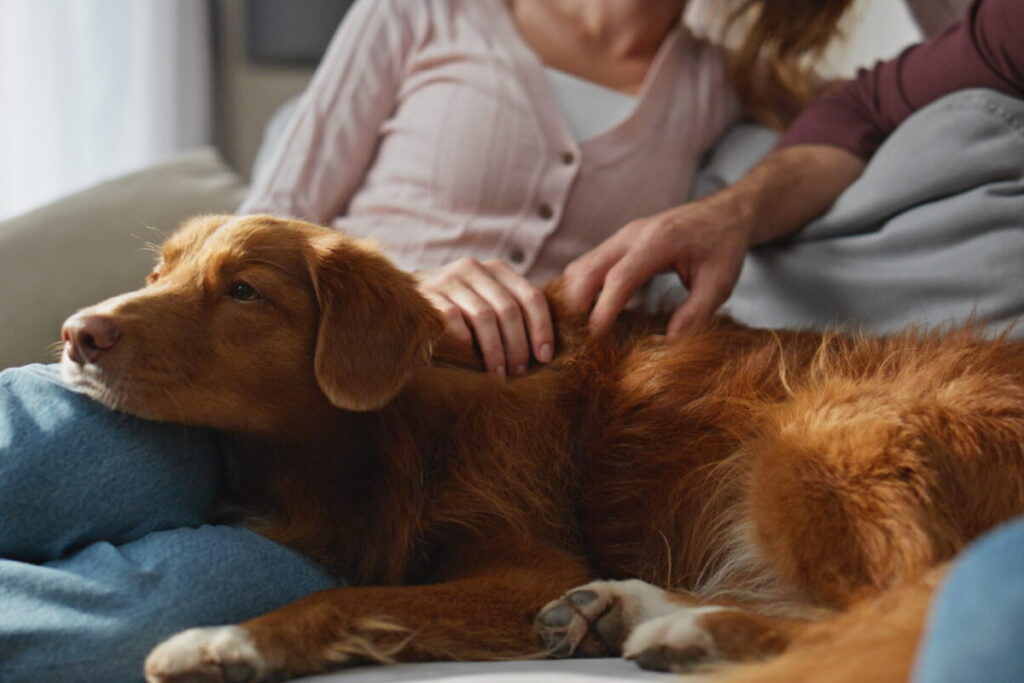
Living with this condition requires consistency, patience, and small adjustments that support long-term comfort. While medical care is important, daily habits at home play a major role in dog pain management.
Helpful lifestyle changes include keeping your dog on a consistent routine, avoiding high-impact activities like jumping, using supportive harnesses during walks, keeping nails trimmed for better traction, and providing a warm, comfortable place to rest.
These small changes can significantly improve your dog’s day-to-day experience and are an essential part of how to help a dog with arthritis.
The Importance of Regular Veterinary Check-Ins
Managing this condition is not a one-time fix — it requires ongoing monitoring and adjustments. Regular veterinary visits help ensure your dog’s treatment plan continues to meet their needs.
During these visits, your veterinarian may:
- Evaluate mobility and joint function
- Adjust medications for better dog pain management
- Recommend new therapies or supplements
- Monitor weight and overall health
Consistent check-ins allow for early detection of changes and help prevent unnecessary discomfort. Proactive care is one of the best ways to manage this condition effectively.
How Arthritis in Dogs Progresses Over Time
Arthritis tends to worsen over time, though the rate of progression varies depending on factors like age, breed, activity level, and overall health.
In the early stages, symptoms may be mild and intermittent. As the condition progresses, stiffness and discomfort may become more consistent. Without proper pet pain management, mobility can decline more rapidly.
Understanding this progression helps pet owners set realistic expectations and stay proactive with care. The goal is not just to manage symptoms, but to maintain the highest possible quality of life for as long as possible.
Emotional Impact of Arthritis on Dogs
This condition doesn’t just affect physical health — it can also impact emotional well-being. Dogs experiencing chronic discomfort may become less social, less playful, or more withdrawn.
This can be difficult for pet owners to witness, especially when their dog’s personality begins to change. Supporting your dog emotionally is just as important as managing their physical symptoms.
Ways to help include:
- Spending quiet, quality time together
- Offering gentle interaction and reassurance
- Maintaining familiar routines
Combining emotional support with effective dog pain management helps your pet feel more secure and comfortable.
Frequently Asked Questions About Arthritis in Dogs
How early can arthritis in dogs start?
Arthritis in dogs can begin earlier than many pet owners expect, especially in dogs with joint abnormalities or previous injuries. Some dogs may show early signs as young as middle age.
Can arthritis in dogs be prevented?
While it cannot always be prevented, maintaining a healthy weight, providing regular exercise, and addressing injuries early can reduce the risk or severity of arthritis in dogs.
What is the best dog pain management approach?
The best dog pain management plan is tailored to your pet’s specific needs. It often includes a combination of medication, lifestyle adjustments, and supportive therapies.
How do I know if my dog is in pain?
Signs of pain can include limping, changes in behavior, decreased activity, or difficulty moving. Subtle changes are often the first indicators of arthritis in dogs.
Final Thoughts: Supporting Your Dog with Compassionate Care
Arthritis in dogs can be easy to miss in the early stages, but recognizing the signs and acting early can make a meaningful difference. With the right approach to pet pain management and a clear plan for how to help a dog with arthritis, you can help your pet stay comfortable and engaged in daily life.
At Urgent Pet Care Centers, we’re here to help you navigate every stage of your pet’s health with clarity, compassion, and expert care.
👉 Learn more about our team on our About Us page
👉 Explore helpful guidance on our Resources page
👉 Contact Us for compassionate support and same-day care
Your pet’s comfort matters — and early action can make all the difference.