By Urgent Pet Care Center Team
The holidays bring plenty of joy — and plenty of food. While it’s tempting to share a special treat with your furry friend, not every festive dish is safe for pets. Understanding which pet-friendly holiday foods are okay to share (and which aren’t) is an important part of protecting your dog or cat’s health during the busy holiday season.
At Urgent Pet Care Edmond, we see many pets each winter suffering from tummy troubles, vomiting, or even toxic reactions after sneaking a bite of something they shouldn’t have. This year, keep your celebration joyful for everyone by learning what’s safe, what’s dangerous, and how to make better choices for your pet’s well-being.
The Importance of Pet-Safe Holiday Choices
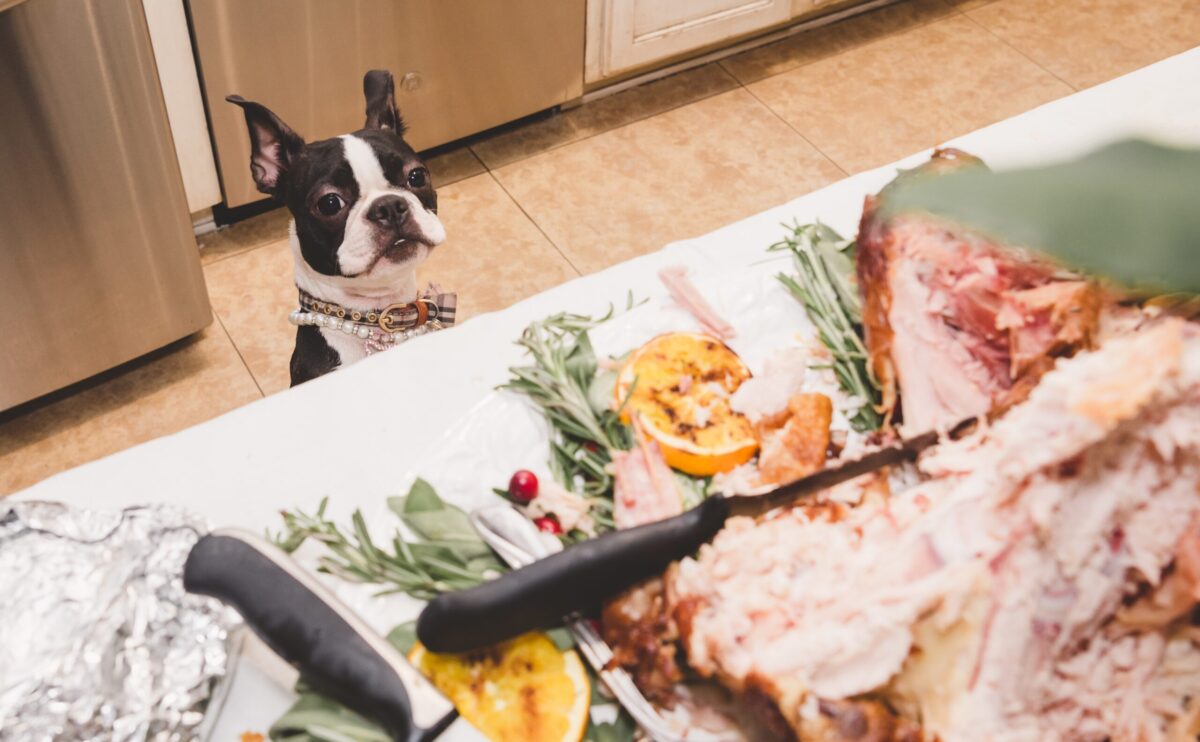
For many families, pets are part of the celebration. From Thanksgiving dinner to New Year’s leftovers, food is everywhere — and pets are quick to join the fun. But even small amounts of certain holiday foods can cause serious health problems. Chocolate, grapes, onions, and rich meats are some of the most common culprits.
Practicing mindful pet-friendly holiday foods habits can prevent accidents before they happen. Offering pet-safe snacks or preparing a separate, healthy dish for your furry friend ensures they feel included without risking their pet health.
Keeping toxic or fatty foods out of reach and cleaning up promptly after meals can go a long way toward preventing an unexpected emergency visit.
Holiday Foods That Can Harm Your Pet
While every pet reacts differently, some foods are consistently dangerous for dogs and cats. Many of these are common around holiday tables, which makes awareness especially important.
- Chocolate and cocoa: Even small amounts can be toxic due to a compound called theobromine, which pets can’t process effectively. Cocoa powder, baking and dark chocolate are the most dangerous, followed by semi-sweet and milk chocolate, but all forms pose a risk.
- Grapes and raisins: Common in fruitcakes and desserts, these can lead to sudden kidney failure in dogs.
- Onions and garlic: Found in many stuffing and casserole recipes, these can damage red blood cells, leading to anemia.
- Rich, fatty meats: Gravy, turkey skin, and ham trimmings may seem like treats, but they can cause pancreatitis — a painful and potentially serious inflammation of the pancreas.
- Raw yeast dough and alcohol: Raw yeast dough can be very dangerous for dogs if ingested. The dough can continue to rise in the warm environment of the stomach, causing life-threatening gastric distension, while the fermenting yeast produces alcohol that can lead to alcohol poisoning.
- Sugar-free treats and xylitol: Xylitol is a sugar substitute used in many sugar-free desserts, candies, gum and breath mints to provide sweetness with fewer calories. However, even small amounts can cause a rapid drop in blood sugar and lead to collapse, seizures, and possible liver failure.
Even “safe” human foods can upset a pet’s stomach if they’re greasy, salty, or seasoned. The best holiday foods for pets are simple, unseasoned, and served in moderation.
Safe Pet-Friendly Holiday Foods to Share
You don’t have to leave your pet out of the festivities entirely. There are many nutritious and delicious pet-friendly holiday foods you can share safely when prepared correctly.
- Lean turkey or chicken: Skinless, boneless, and unseasoned poultry makes a great protein-rich treat.
- Plain vegetables: Cooked carrots, green beans, and peas are excellent sources of fiber and vitamins for both dogs and cats.
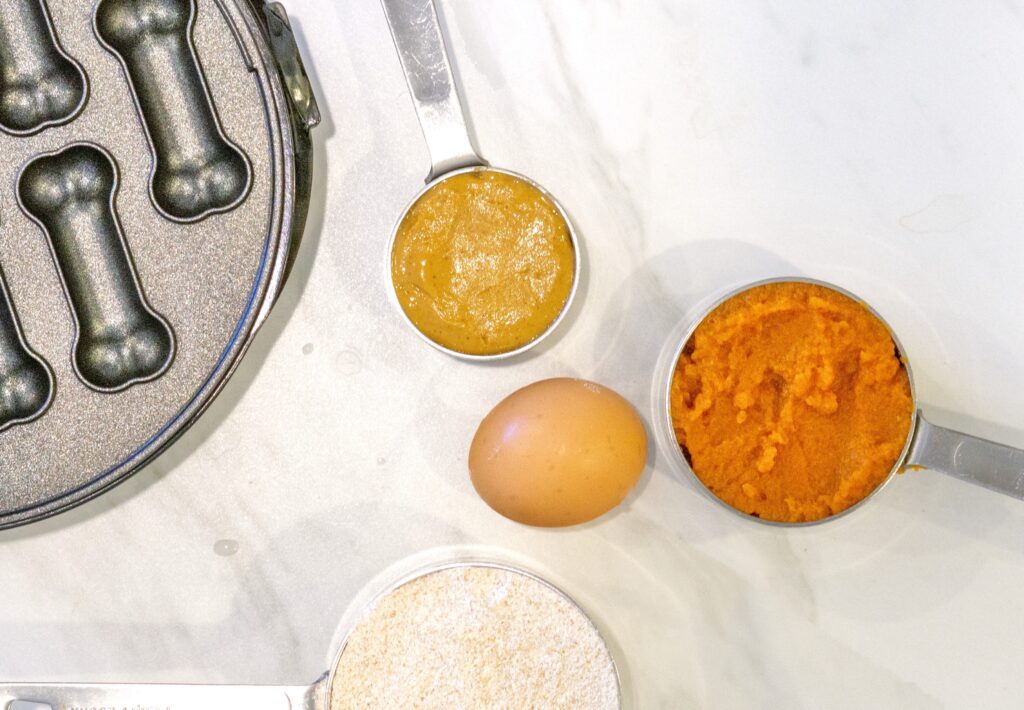
- Mashed sweet potatoes or pumpkin: A small portion of plain, unsweetened mash is gentle on the stomach and full of nutrients.
- Apples (without seeds): Crisp and refreshing, apples can help clean teeth naturally while offering vitamins A and C.
These simple, whole-food options are gentle on digestion and contribute to good pet health. Always serve small amounts and avoid butter, sauces, and added sugars.
The Dangers of Seasonings and Sweets
It’s not just the food itself that can cause problems — it’s often what we add to it. Salt, sugar, and spices can make even otherwise safe holiday foods dangerous for pets.
Cinnamon, nutmeg, and cloves may cause digestive upset or even neurological symptoms in high doses. Artificial sweeteners such as xylitol — found in sugar-free baked goods and candies — can be life-threatening, even in tiny amounts.
As part of responsible pet-friendly holiday foods planning, keep sweets, flavored coffees, and baked goods far from curious noses. Even if your pet only licks a crumb, it’s better to call your vet for advice than risk complications.
Monitoring your pet closely around desserts and leftovers helps ensure their pet health stays steady throughout the holidays.
Creating a Pet-Safe Holiday Plate
If you want your pet to feel included, you can create a small plate of pet-friendly holiday foods just for them. Stick to simple, wholesome ingredients that mirror what’s on your table — minus the extras.
For example, you can offer a spoonful of plain mashed sweet potato alongside a bit of cooked turkey breast and a green bean or two. Add a dash of plain pumpkin puree for fiber and flavor. This thoughtful approach keeps pets involved in the celebration while supporting their pet health.
You can also prepare pet-safe treats ahead of time using easy recipes that include oats, bananas, or carrots. This lets your pet enjoy the season with you while avoiding risky table scraps.
What to Do If Your Pet Eats Something Harmful
Accidents happen, especially during busy gatherings. If your pet eats something potentially toxic, stay calm but act quickly. Contact your veterinarian or the ASPCA Animal Poison Control Center immediately for guidance.
Knowing the amount and type of food ingested helps determine the right next steps. In some cases, your local vet clinic may recommend monitoring at home; in others, urgent treatment may be needed to prevent complications.
Prompt attention is essential for protecting your pet’s pet health, especially if symptoms like vomiting, diarrhea, drooling, or weakness appear after eating holiday foods.
Portion Control and Moderation Matter
Even safe pet-friendly holiday foods can cause problems if served in large amounts. Sudden changes in diet can upset your pet’s stomach or trigger pancreatitis.
Stick to small portions — treats should make up no more than 10% of your pet’s daily calories. Feeding too much “people food” can also create bad habits and make your pet more likely to beg or steal food in the future.
Practicing portion control supports good digestion and long-term pet health. A small, healthy taste is a fun way to celebrate without compromising your pet’s comfort.
Managing Stress and Routine Changes
Beyond food, the holidays bring changes to routine that can affect your pet’s mood and digestion. Loud noises, guests, and new scents may increase anxiety. A stressed pet is more likely to get into trouble or have an upset stomach.
Keep feeding schedules consistent, and ensure your pet has a quiet, comfortable spot away from the bustle. Maintaining normal routines contributes to better pet health and prevents overexcitement that might lead to accidents.
These lifestyle-based pet safety tips are just as important as managing diet when it comes to keeping your pets well during holiday gatherings.
When to Visit a Vet
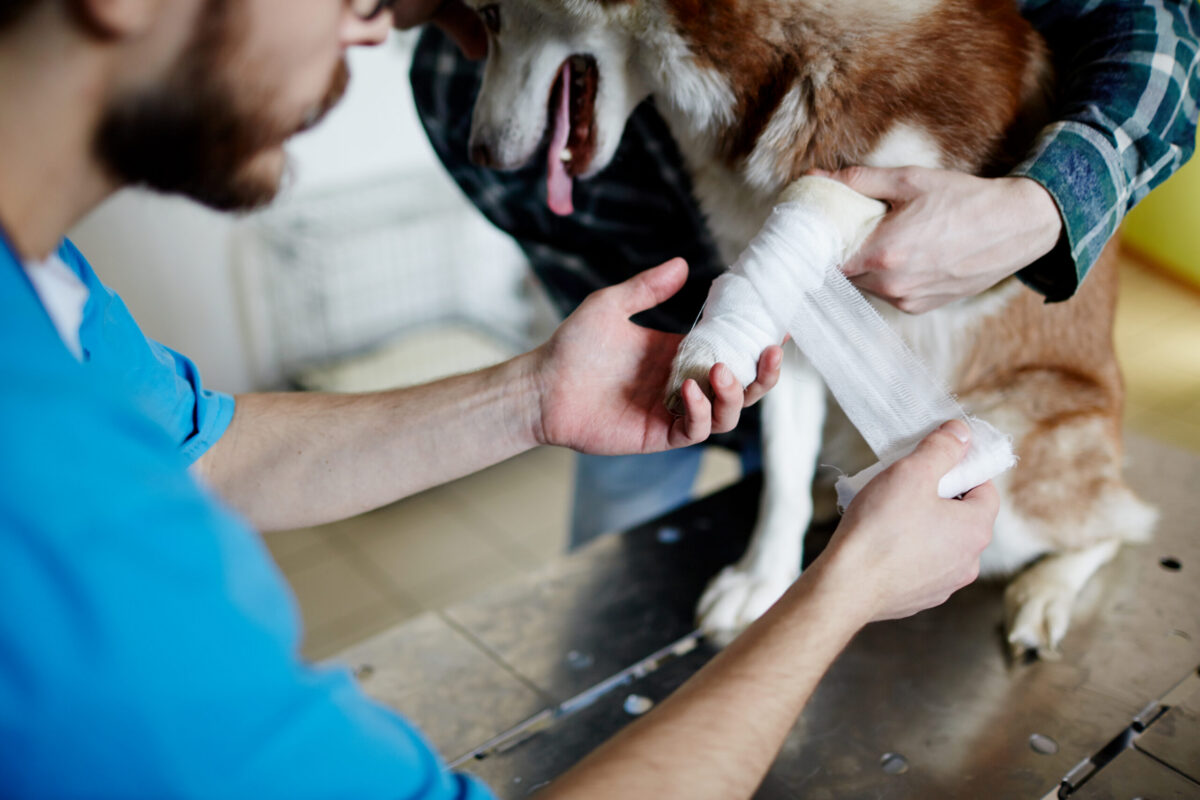
Even with the best intentions, pets can sometimes sneak a bite of something they shouldn’t. If your pet seems unusually tired, starts vomiting, or refuses food or water, it’s time to visit a veterinarian.
At Urgent Pet Care Edmond, we provide same-day care for non-life-threatening conditions — no appointment needed. Our team can assess whether your pet’s reaction to holiday foods requires medical attention and help them recover quickly.
Understanding which pet-friendly holiday foods are safe, and which aren’t, is one of the simplest ways to avoid emergencies and protect your pet’s long-term well-being.
If you’re ever unsure about what’s safe to share, reach out to your vet before offering new foods.
Keeping Your Pets Safe and Healthy This Holiday Season
Sharing meals is part of what makes the holidays special, but a few smart precautions will keep everyone feeling their best. Avoiding harmful ingredients, serving moderate portions, and sticking to pet-friendly holiday foods can help your pet stay happy and healthy all season long.
Your pet health depends on good choices, especially when tempting treats are all around. When in doubt, skip sharing people’s food and offer your pet a safe, approved snack instead.
From our wonderful team, we wish you and your pets a safe, joyful, and healthy holiday season!
This article was generated with the assistance of artificial intelligence (AI). While reviewed for accuracy and clarity by UPCC, it should be considered general information. We still recommend contacting the UPCC team for personalized advice.