By AI Assistant
When your pet isn’t feeling well, your veterinarian may recommend pet medications to treat the condition and help your dog or cat recover. But many owners have questions: What do these medications do? Are they safe? How do you give them? And when is it time to seek help from a clinic?
At Urgent Pet Care Center in Edmond, we believe education is part of compassionate care. This guide will help you understand the basics of pet prescriptions, why they’re important, and how to use them safely.
Why Vets Prescribe Pet Medications
Pets can’t tell us what hurts, so veterinarians rely on exams, diagnostics, and experience to create the right treatment plan. Pet medications are often a vital part of that plan. They may be prescribed to:
- Relieve pain or inflammation
- Treat bacterial, fungal, or parasitic infections
- Manage chronic illnesses like arthritis, allergies, or thyroid disease
- Control nausea, vomiting, or diarrhea
- Support recovery after minor injuries or surgery
For urgent conditions — such as infections, skin issues, or coughing — pet prescriptions often provide fast relief and prevent complications.
Learn more about our in-house diagnostics
Types of Pet Medications
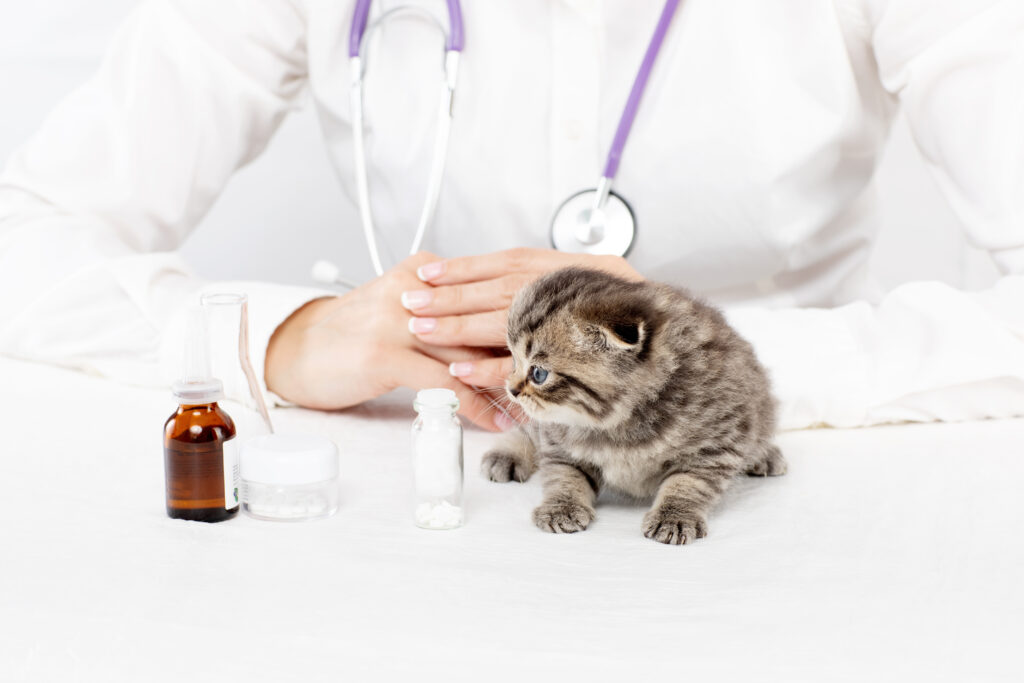
Veterinarians use a wide range of medications to keep pets comfortable and healthy. Some of the most common include:
1. Pain Relief and Anti-Inflammatories
These reduce swelling and ease discomfort from injuries, arthritis, or post-surgery recovery. Always give these medications exactly as directed and with a full meal. It’s important never to give human pain relievers like ibuprofen or acetaminophen to pets — they can be toxic.
2. Antibiotics
Used to treat bacterial infections of the skin, ears, urinary tract, or respiratory system. Always finish the full course, even if your pet seems better. Note: Antibiotics are not effective against viruses!
3. Allergy Medications
Dogs and cats in Oklahoma often suffer from environmental allergies. Antihistamines, prescription steroids and medicated shampoos can help give urgent relief. However, it is important to remember that there is no “cure” for allergies and your pet will likely need long-term allergy management with your primary care veterinarian or a veterinary dermatologist, depending on the severity of symptoms.
4. Gastrointestinal Medications
If your pet has vomiting or diarrhea, medications can reduce stomach acid, protect the digestive lining, or control nausea. Appetite enhancing medications may also be considered for pets with a decreased appetite.
5. Preventatives
Heartworm, flea, and tick preventatives are essential for keeping pets healthy in our region. Many are available only through veterinary prescription. Your primary care veterinarian should help you determine which preventatives are right for your individual pet. We do not sell or prescribe any preventative medications. You will need to see a primary care vet to get those for their pet.
How to Safely Give Pet Medications
Giving your dog or cat medication can be challenging, especially if they’re picky or anxious. Here are some tips:
- Follow instructions exactly. Give the correct dose at the right time. Do not increase or decrease the dose without approval from a veterinarian.
- Use pet-safe methods. Hide pills in treats or food, or ask about liquid or chewable alternatives.
- Never share medications. Even if two pets have similar symptoms, prescriptions are tailored to each pet.
- Watch for side effects. Vomiting, diarrhea, loss of appetite, or behavior changes should be reported to your vet immediately.
- Store properly. Keep medications in a cool, dry place out of reach of children and other animals.
If you struggle to give your pet their medication, talk with your vet. They can demonstrate safe techniques or suggest alternatives.
Over-the-Counter vs. Prescription
Not all medications require a prescription. Some flea preventatives, shampoos, or supplements are available over-the-counter. However, many treatments require a prescription for safety reasons.
For example:
- Prescription-only: Antibiotics, most pain relievers, heartworm preventatives
- Over-the-counter: Some topical flea sprays, mild shampoos, joint supplements
When in doubt, ask your vet before giving your pet anything new. What’s safe for humans may be harmful — even deadly — for pets.
When Urgent Care Is the Right Choice
Sometimes pets develop symptoms suddenly, and waiting for a regular vet appointment isn’t an option. Urgent pet care may be the best choice if your dog or cat:
- Needs quick relief from pain or itching
- Has an ear infection or eye problem that won’t improve
- Is coughing, vomiting, or having repeated diarrhea
- Has a minor wound or laceration that needs cleaning
- Is out of prescription medication and needs a refill to stay comfortable
At Urgent Pet Care Centers, we stock many pet medications on-site, so your pet can start treatment immediately without waiting for an outside pharmacy.
Learn more about our urgent care services.
Common Concerns About Pet Prescriptions
Pet owners often share the same worries about medications. Here are a few we hear most:
- “Will this hurt my pet long term?”
Most medications prescribed by a vet are safe and effective when used as directed. Risks are minimized with the correct dose. - “What if I miss a dose?”
Give it as soon as you remember, unless it’s almost time for the next dose. Never double up without asking your vet. - “Can I get the same medication online?”
Some medications can be purchased online, but always make sure it’s from a reputable, vet-approved pharmacy. - “Are there affordable options?”
Generic versions may be available, and your vet can discuss cost-effective alternatives.
How We Support You and Your Pet
At Urgent Pet Care Center in Edmond, we know pet owners want clear, trustworthy guidance. That’s why we:
- Explain why a pet prescription is needed
- Review dosing and administration instructions
- Answer your questions before you leave
- Provide aftercare instructions for ongoing monitoring
Our goal is to make sure you feel confident giving your pet the care they need.
Pet medications are an essential part of veterinary medicine, helping dogs and cats recover from illness, manage chronic conditions, and live more comfortable lives. Knowing when and how to use these prescriptions makes all the difference.
If your pet suddenly develops concerning symptoms — coughing, vomiting, ear infections, or wounds — walk into Urgent Pet Care Center in Edmond. We provide same-day exams, in-house diagnostics, and pet prescriptions tailored to your pet’s needs.
Visit our website to learn more or stop by today.
This article was generated with the assistance of artificial intelligence (AI). While reviewed for accuracy and clarity by UPCC, it should be considered general information. We still recommend contacting the UPCC team for personalized advice.