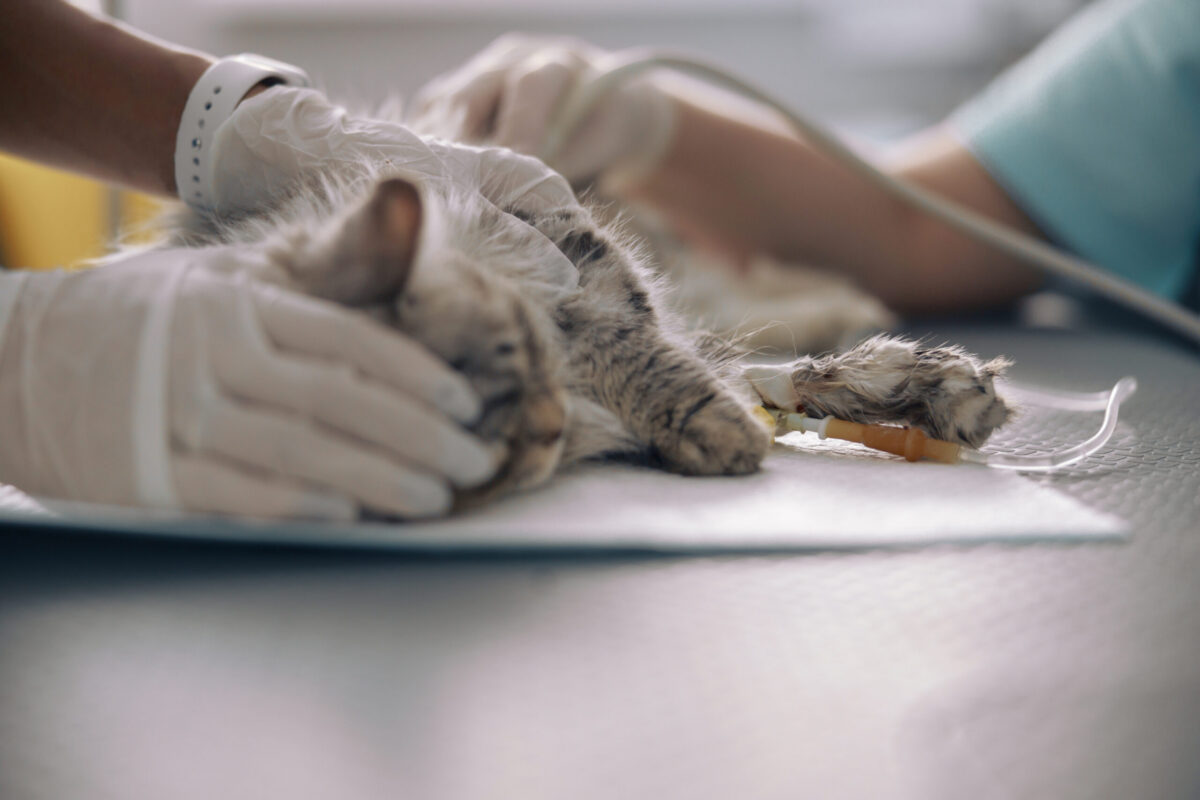

What Is Pet Euthanasia?
Pet euthanasia is a humane, veterinarian-guided process that allows a pet to pass peacefully without pain or distress. It is typically considered when a pet is experiencing ongoing suffering due to illness, injury, or age-related decline that can no longer be managed effectively. Rather than prolonging discomfort, pet euthanasia offers a gentle, controlled way to ensure your pet’s final moments are calm and free from fear. For many pet owners, understanding this intention helps shift the perspective from loss alone to one of compassion and care.Recognizing When It May Be Time
One of the hardest parts of end of life pet care is knowing when to consider the next steps. While every pet’s situation is different, there are common patterns that can help guide your decision. You may begin to notice gradual changes in your pet’s behavior or physical condition. These changes often become more consistent over time, signaling that your pet may be struggling more than they’re comfortable. Some of the most common signs include:- Ongoing pain that no longer responds well to treatment
- Loss of appetite or disinterest in food
- Difficulty standing, walking, or getting comfortable
- Frequent vomiting or digestive issues
- Labored breathing or fatigue
- Withdrawal from interaction or favorite activities
Evaluating Your Pet’s Quality of Life
Quality of life is at the center of any decision involving pet euthanasia. This isn’t about finding a perfect answer—it’s about observing your pet honestly and compassionately. Instead of focusing on a single moment, it’s helpful to look at your pet’s overall daily experience. Are they still finding comfort in rest? Do they respond to your presence? Are they able to engage in even small ways? Many pet owners find it helpful to track patterns over time. You might mentally note or even write down:- How often does your pet seem comfortable
- Whether they are eating and drinking normally
- How frequently do they have “good” versus “difficult” days
What to Expect During the Pet Euthanasia Process
Uncertainty can make this decision feel even heavier. Understanding the process of pet euthanasia often brings a sense of reassurance. The experience begins with a conversation. Your veterinary team will walk you through what to expect, answer your questions, and make sure you feel supported. The process itself is gentle and intentional:- A sedative is given first so your pet can fully relax
- Your pet will gradually fall into a peaceful sleep
- A final medication is administered to allow a quiet, painless passing
Preparing for the Appointment
Even when you know it’s the right decision, preparing for pet euthanasia can feel overwhelming. Taking a little time to plan can help you feel more grounded and present. You might consider a few simple things ahead of time:- Who would you like to be with you during the appointment
- Whether to bring a favorite blanket or toy
- How do you want to say goodbye in a way that feels meaningful
Understanding End of Life Pet Care Options
Before moving forward with pet euthanasia, some families explore additional end of life pet care options. These approaches focus on comfort and quality of life rather than curative treatment. Depending on your pet’s condition, your veterinarian may discuss:- Palliative care, which focuses on managing pain and symptoms
- Hospice care, offering ongoing support during the final stage of life
- Adjusted treatment plans to improve day-to-day comfort
Aftercare and Honoring Your Pet
After pet euthanasia, you’ll have the opportunity to choose how you’d like to honor your pet. While these decisions can feel difficult, they can also be an important part of the healing process.
Common aftercare options include:
- Private cremation, with ashes returned to you
- Communal cremation, without ashes returned
- Burial, depending on local regulations
Many families also choose to create small, personal memorials. This might include a framed photo, a paw print, or simply setting aside time to reflect on the memories you shared.
Grief is personal, and there’s no timeline for it. Giving yourself space to process is just as important as the decision itself.
A Compassionate Perspective on the Decision
When facing pet euthanasia, it’s natural to question whether you’re making the right choice. Many pet owners wrestle with timing, wondering if they’re acting too soon or waiting too long.
It can help to reframe the decision. This is not about giving up—it’s about recognizing when continued treatment may no longer serve your pet’s well-being.
Choosing pet euthanasia is, in many ways, a continuation of the care you’ve always provided. It reflects your commitment to your pet’s comfort, even when the decision is incredibly difficult.
When viewed through this lens, the focus shifts from uncertainty to compassion.
How Urgent Pet Care Can Support You
At Urgent Pet Care Centers, we approach end of life pet care with empathy, clarity, and respect. We understand that every pet and every family is different.
If you’re unsure whether it’s time to consider pet euthanasia, we can help you evaluate your pet’s condition and walk through your options in a calm, supportive environment.
You Don’t Have to Navigate Pet Euthanasia Alone
There’s no easy way to say goodbye to a beloved pet. But understanding pet euthanasia and the role it plays in end of life pet care can help you approach this moment with clarity and confidence.
You know your pet best. With the right support, you can make a decision that prioritizes their comfort and honors the life you shared.
If you’re facing questions about your pet’s quality of life or considering pet euthanasia, you don’t have to go through it alone.
Urgent Pet Care Centers offers supportive, same-day evaluations and compassionate guidance. We’re here to help you navigate this decision with care, understanding, and respect.
When you’re ready, reach out or visit us. We’re here for you and your pet.
For more guidance, support, and resources, follow us on social media.