Why Dogs Limp
Dogs limp because they are experiencing pain, weakness, or mechanical dysfunction in a limb. It is important to know that limping (lameness) is a clinical sign — not a diagnosis — and can range from mild, intermittent favoring of a leg to being completely non-weight bearing. Common reasons a dog is limping include:- Muscle strains or sprains
- Cuts, scrapes, or foreign objects in the paw
- Joint or ligament injuries
- Arthritis or chronic joint disease
- Nail injuries or broken nails
- Soft tissue trauma from jumping or rough play
How to Tell If Your Dog Is in Pain
Dogs are very good at hiding discomfort, which means limping may be one of the first noticeable signs that your dog is in pain. In addition to limping, watch for subtle behavior changes. Signs your dog may be in pain include:- Reluctance to walk, jump, or climb stairs
- Whining, whimpering, or growling when touched
- Licking or chewing at a leg or paw
- Changes in posture or gait
- Decreased appetite or energy
- Avoiding normal activities
First Steps to Take at Home
If your dog is limping but otherwise stable, there are a few safe steps you can take before heading to a same day vet clinic. Check the Paw and Leg Gently examine your dog’s paw and leg for:- Cuts or abrasions
- Swelling or heat
- Thorns, glass, or debris stuck between toes
- Broken or bleeding nails
When a Dog Is Limping, Rest Isn’t Always Enough
Some pet owners hope limping will resolve on its own. While mild strains can improve with rest, many cases require medical evaluation to prevent long-term damage. A same day vet clinic is recommended if:- Limping lasts more than 24 hours
- Your dog refuses to bear weight on the leg
- Swelling or pain increases
- Your dog is in pain and uncomfortable
- The limp appeared suddenly after trauma
- There is visible injury or bleeding
Common Injuries That Cause Limping
Soft Tissue Injuries
Muscle strains, tendon injuries, and ligament sprains are common reasons a dog is limping. These injuries may not be visible but can be very painful.
Joint Issues
Joint conditions such as arthritis or ligament tears (like ACL injuries) can cause limping that worsens with activity or over time.
Paw and Nail Injuries
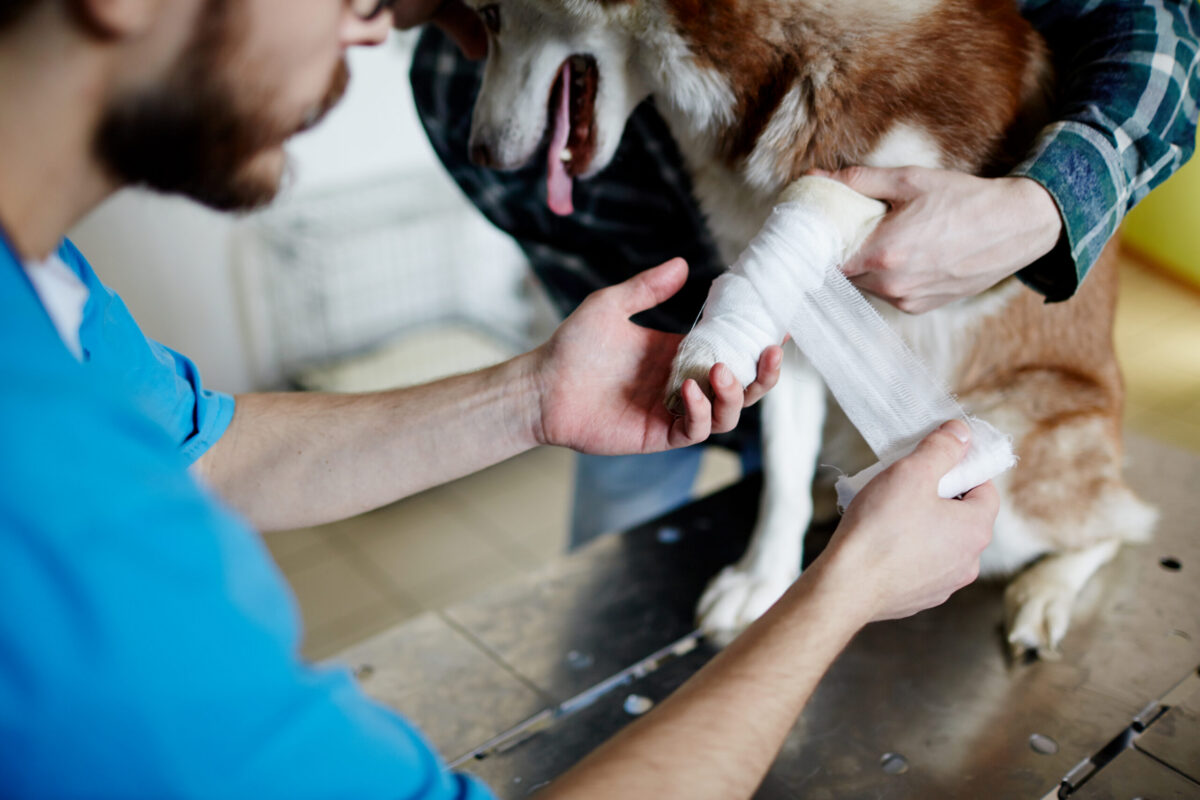
Torn nails, paw pad cuts, or foreign objects can make walking painful. These injuries often require cleaning, medication, or bandaging.
Bone Injuries
Fractures are less common but serious. If your dog is limping severely or unable to walk, immediate veterinary care is necessary.
Why a Same Day Vet Clinic Can Make a Difference
When your dog is limping, timely care helps prevent complications. As a same day vet clinic, Urgent Pet Care Center can evaluate your dog quickly and determine whether imaging, medication, or supportive care is needed.
At Urgent Pet Care Center, our veterinarians can:
- Perform a thorough orthopedic exam
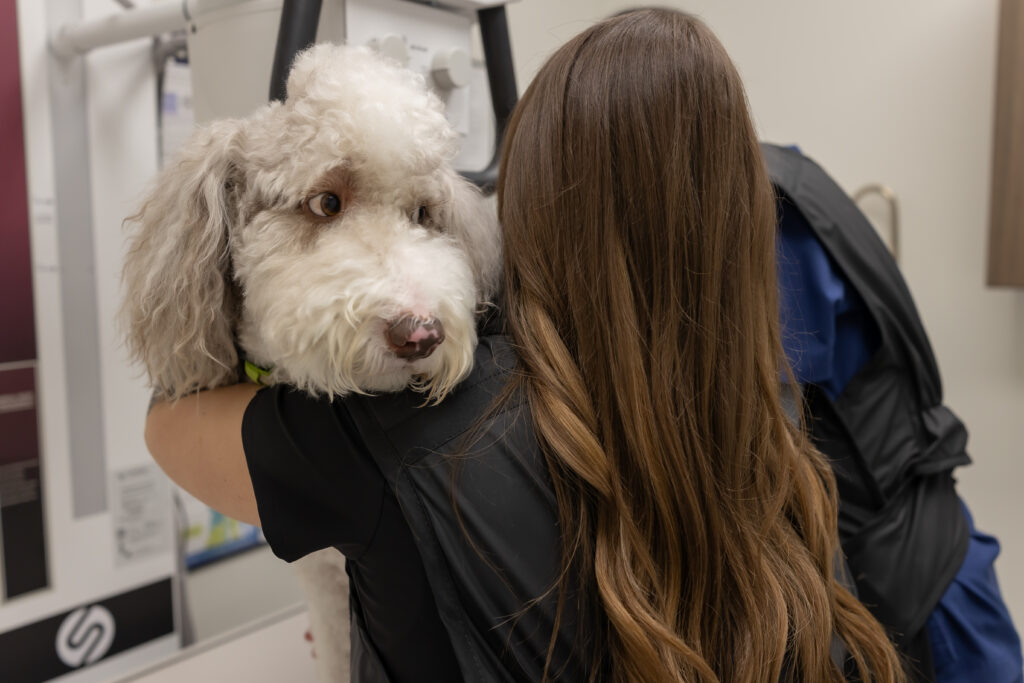
- Use X-rays if needed
- Provide pain management
- Treat wounds or soft tissue injuries
- Recommend rest, follow-up care, or referral
Choosing timely care reduces guesswork and helps your dog feel better sooner.
Should You Wait or Seek Care Right Away?
It can be hard to know whether to wait or visit a same day vet clinic. As a general rule, limping should always be taken seriously—especially if your dog is in pain.
You should seek veterinary care promptly if:
- Your dog is crying or vocalizing
- The limp is sudden and severe
- Your dog stops using the leg
- Symptoms worsen instead of improve
- You’re unsure what caused the limp
Trusting your instincts is important. If something feels off, it’s okay to seek professional guidance.
What to Expect During an Urgent Care Visit
When you bring in a dog who is limping, the veterinary team will focus on identifying the source of pain and determining the best next steps.
Your visit may include:
- A physical and gait examination
- Palpation of joints, muscles, and paws
- Diagnostic imaging (x-rays) and bloodwork (if there are other symptoms)
- Pain relief or anti-inflammatory medication
- Clear instructions for home care
The goal is to relieve discomfort while ensuring no serious injuries are overlooked.
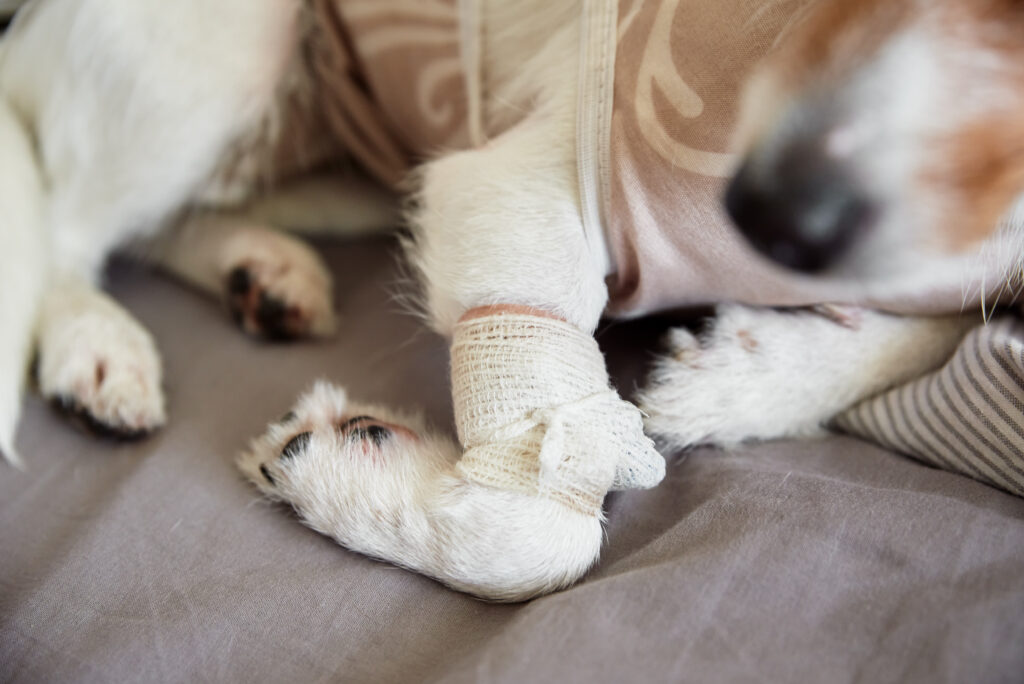
Helping Your Dog Recover After Treatment
Recovery depends on the cause of limping. Following veterinary recommendations closely is essential for proper healing.
Home care may include:
- Activity restrictions/cage rest
- Medications as prescribed
- Cold or warm compresses
- Monitoring for changes in pain or mobility
- Follow-up visits if recommended
Skipping rest or returning to activity too soon can delay recovery.
How Urgent Pet Care Can Help
Urgent Pet Care Center provides same day, walk-in care for dogs who are limping but do not require emergency hospitalization. We focus on clear communication, appropriate diagnostics, and compassionate support for both pets and their owners.
As a same day vet clinic, we’re here to:
- Evaluate sudden limping and injuries
- Manage pain safely and effectively
- Provide fast answers when your regular vet is unavailable
- Refer to emergency care if needed
Our goal is to help your dog feel better while giving you peace of mind.
Your dog relies on you to notice changes and act when something isn’t right. Limping is never something to ignore, especially when your dog is in pain. If your dog is limping and you’re unsure what to do next, Urgent Pet Care is here to help. Walk in today or reach out with questions—we’re ready to support you and your pet with prompt, professional care.