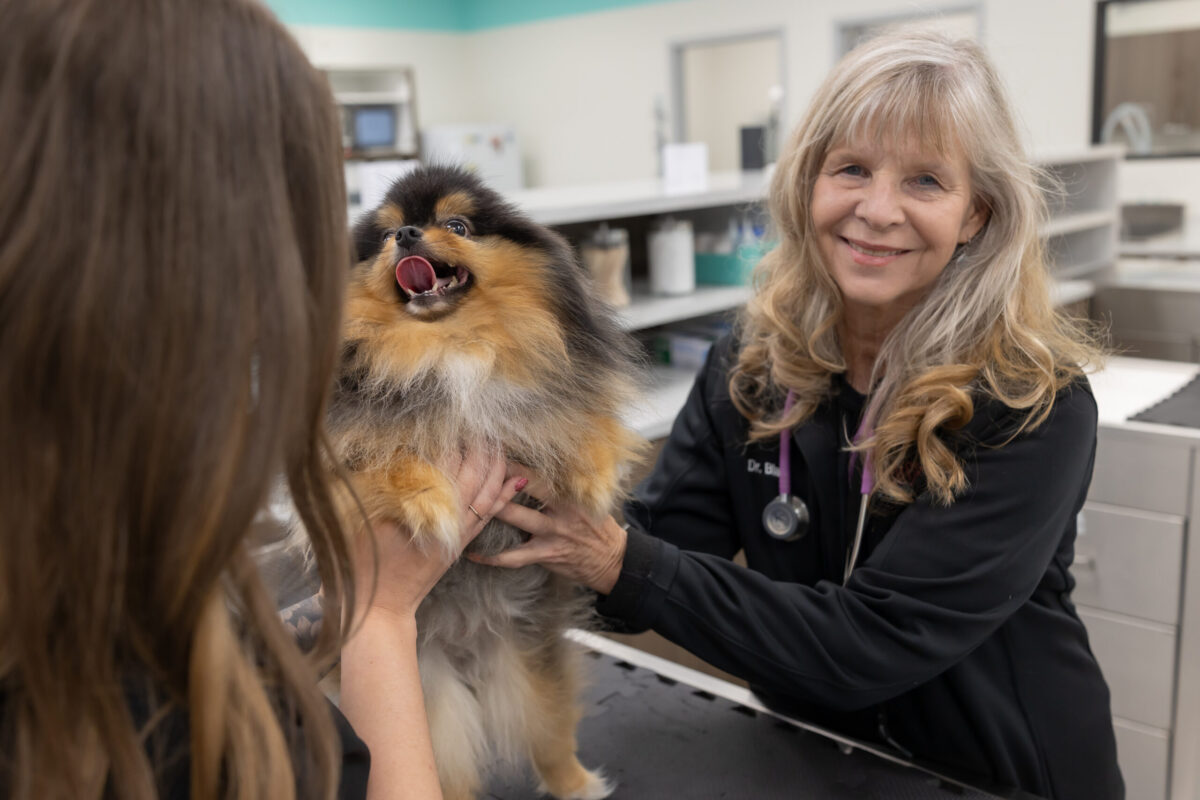

When a normally hungry cat won’t eat, it can be unsettling for any pet owner. Cats are creatures of habit, and a sudden change in appetite is often the earliest sign that something is wrong. At Urgent Pet Care Center in Edmond, we regularly evaluate cats who haven’t eaten for a day or more—and fast action matters.
Loss of appetite in cats isn’t just an inconvenience. Even a short period of reduced food intake can create or worsen serious health concerns. This guide explains why appetite changes occur, how to know when it’s an urgent issue, and what to expect if your cat needs same-day care.
Why It Matters When Your Cat Won’t Eat
Cats are especially sensitive to changes in routine—including feeding. When a cat won’t eat, their body reacts differently than a dog’s might. Cats rely heavily on consistent calorie intake, and even a small reduction can trigger metabolic changes.
Loss of appetite may indicate:
- Pain & hidden injuries
- Nausea
- Stress or anxiety
- Systemic illness & infections
- Dental disease
- Environmental changes
Because appetite loss is so nonspecific, the safest approach is to treat it as a meaningful sign that your cat needs attention—especially if it lasts more than 24 hours.
If you’re unsure whether the cause is minor or urgent, our team is here to help. Learn more on our about us page.
Common Reasons a Cat Won't Eat
There are many potential explanations for reduced appetite. Some are easy to identify and address; others can be more difficult to identify and require a thorough diagnostic evaluation.
1. Pain or Discomfort
Cats will conceal their pain or discomfort as a survival instinct. A reduced appetite may be one of the only clues that something hurts. Common sources include:
- Dental pain
- Soft-tissue injury
- Abdominal discomfort
- Systemic disease
- Joint pain in older cats
Because they mask symptoms well, pain-related appetite loss often requires professional evaluation and may involve cat pain management strategies.
2. Nausea or GI Upset
Vomiting, diarrhea, constipation, or stomach irritation may all cause decreased interest in food.
Watch for:
- Lip-licking
- Drooling
- Hiding
- Vomiting foam or bile
These signs typically warrant an urgent evaluation.
3. Illness or Infection
Many conditions can cause a cat won’t eat situation, such as:
- Upper respiratory infections
- Fever
- Systemic disease
- Electrolyte imbalance
- Viral infections
Illness-related appetite loss is typically accompanied by lethargy, hiding, or a change in grooming habits.
4. Dental Problems
Cats with dental pain may approach food but pull away at the last moment. Common causes include:
- Tooth resorption
- Gum inflammation
- Broken teeth
- Oral abscesses
Dental discomfort is a significant cause of appetite decline and is often overlooked at home.
5. Stress or Environmental Changes
Cats are highly sensitive to routine. Triggers may include:
- Moving homes
- New pets
- Visitors or loud noises
- New foods or feeding locations
While stress-related appetite loss may improve with time, it still deserves monitoring.
When to Seek Urgent Care for a Cat Who Won’t Eat
If your cat won’t eat for more than 24 hours—or sooner if accompanied by other symptoms—it’s time to seek urgent care for cats. Bring your cat in sooner if you notice:
- Vomiting or diarrhea, especially with blood
- Drooling
- Lethargy or hiding
- Trouble breathing
- Weight loss
- Signs of pain
- Increased thirst or urination
- Pale or yellow gums
- Swollen abdomen
Young cats, senior cats, and cats with chronic conditions (like kidney disease or diabetes) should be seen even earlier. To explore our full range of same-day services, visit our Services page.
Why Cats Shouldn’t Go Without Food
Unlike dogs, cats cannot safely fast. Even short periods without food can trigger hepatic lipidosis, a potentially life-threatening liver condition.
Hepatic Lipidosis Warning Signs
- Yellow gums or eyes
- Rapid weight loss
- Refusal to eat
- Lethargy
- Vomiting
This condition requires immediate medical attention and supportive care. Early intervention dramatically improves outcomes.
How Urgent Care for Cats Helps
At Urgent Pet Care Center, we’re prepared to evaluate appetite loss quickly and compassionately. Here’s how our team supports cats who won’t eat:
1. Thorough Physical Examination
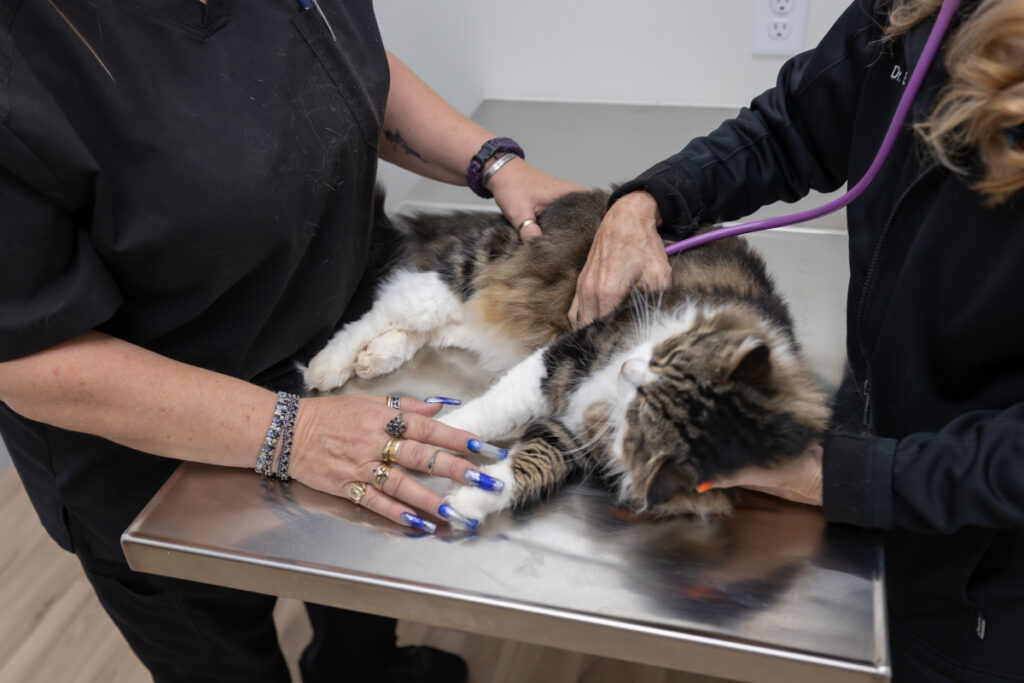
We begin with a gentle, cat-friendly exam to identify pain, fever, dehydration, or obvious abnormalities.
2. Diagnostics
If needed, we recommend same-day diagnostics to find the cause behind decreased appetite.
These may include:
- Bloodwork
- X-rays or abdominal ultrasound
- Urinalysis
- Fecal testing
- Oral exam
- Abdominal palpation
Testing helps us determine whether your cat is nauseous, in pain, or affected by an underlying illness.
3. Cat Pain Management and Supportive Care
Treatments may include:
- Anti-nausea medications
- Pain relief
- Appetite stimulants
- Anti-inflammatories
- Fluids for dehydration
- Antibiotics (when appropriate)
- Dental recommendations
Every treatment plan is tailored to your cat’s specific needs.
Home Care Tips While Monitoring Your Cat
While urgent care evaluation is often the safest approach, here are supportive steps you can take at home to encourage eating:
- Offer slightly warmed wet food
- Try a different flavor or texture of food
- Add low-sodium chicken broth to food
- Create a quiet, stress-free feeding area
- Keep your cat hydrated with fresh water
These tips do not replace medical evaluation, especially if symptoms persist or worsen.
How Long Should You Wait Before Seeking Care?
Not long. A healthy cat missing one meal is not usually an emergency. But a cat won’t eat for:
- 12–24 hours → should be monitored closely
- More than 24 hours → needs urgent care
- Any time alongside vomiting or lethargy → should be seen as soon as possible
If you’re unsure, contact our team to help guide your decision.
Understanding Appetite Loss in Senior Cats
Older cats are especially prone to appetite changes linked to:
- Kidney disease
- Thyroid disease
- Arthritis
- Dental disease
- Heart conditions
Because seniors have a higher risk of dehydration and metabolic complications, they should be seen promptly if their appetite changes—even slightly.
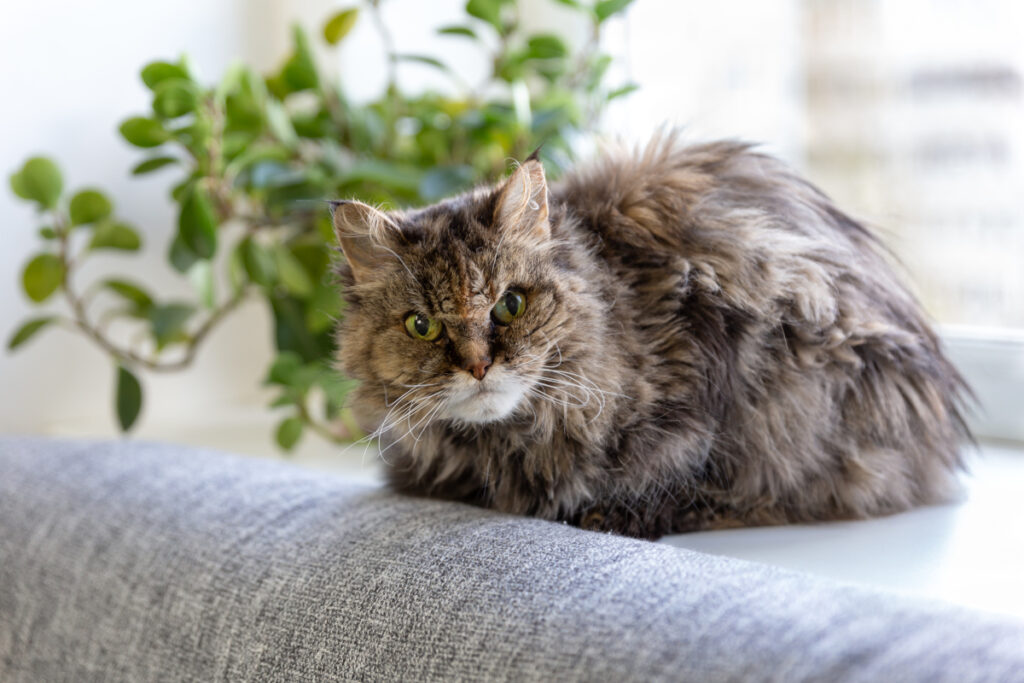
What to Expect at Urgent Pet Care Center
Families appreciate our calm, thorough approach to evaluating cats who aren’t eating. During your visit, you can expect:
- Transparent communication
- Testing recommended only when helpful
- Upfront cost estimates
- Gentle handling and low-stress techniques
- A clear treatment plan
- Guidance on what to monitor at home
We partner with your regular veterinarian to ensure continuity of care and follow-up support when needed.
When Your Cat Needs Help, We’re Here to Support You
If your cat won’t eat, even for a short time, it’s important to get answers quickly. Our team at Urgent Pet Care Center offers same-day evaluation, diagnostics, and treatment to help your cat feel better and prevent serious complications. We’re here to help you navigate this with clarity and compassion.
This article was generated with the assistance of artificial intelligence (AI). While reviewed for accuracy and clarity by UPCC, it should be considered general information. We still recommend contacting the UPCC team for personalized advice.