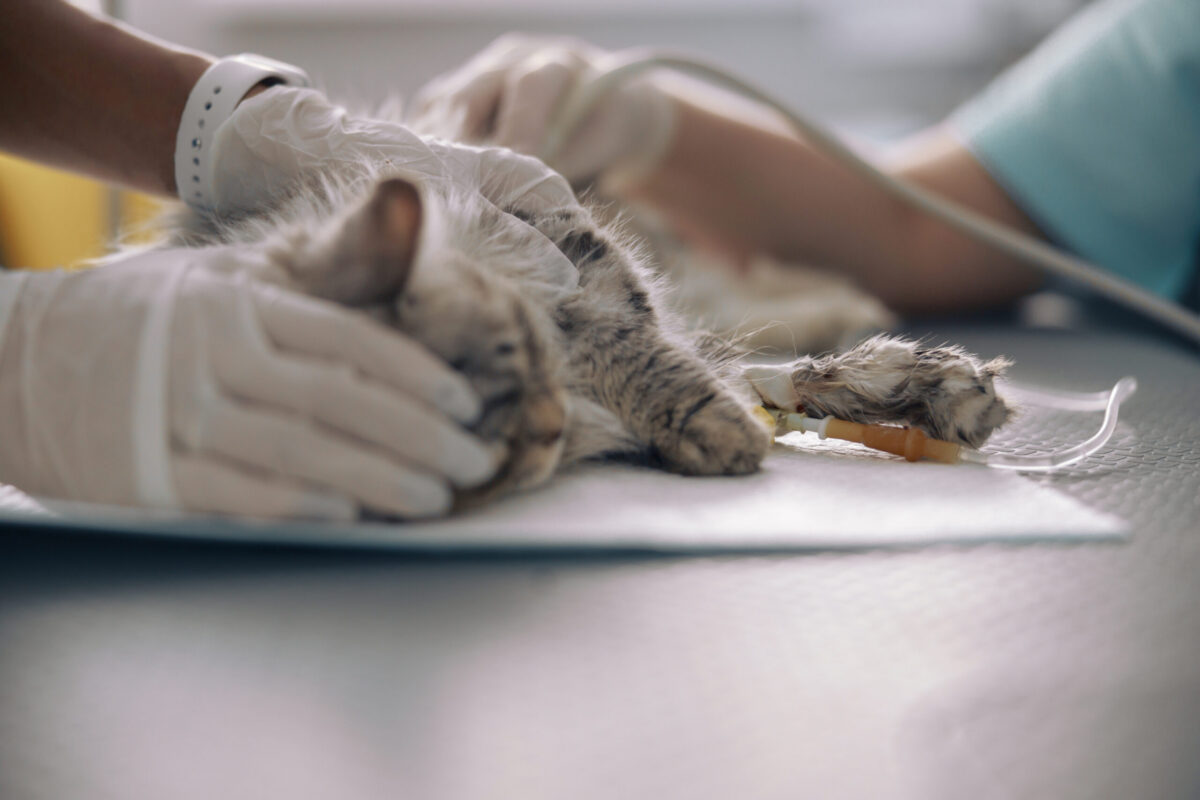

When your dog or cat isn’t feeling well, fast, reliable information is essential. That’s where pet diagnostics come in. Diagnostics are the testing tools veterinarians use to understand what’s happening inside your pet’s body—often before symptoms become severe. At Urgent Pet Care Center in Edmond, we use diagnostics daily to evaluate vomiting, limping, infections, discomfort, and other sudden symptoms that need same-day care.
These tests help our team make accurate treatment decisions, rule out serious conditions, and give families peace of mind. In many cases, diagnostic testing is the most important step in supporting long-term pet wellness and preventing small issues from becoming bigger problems.
Whether you’ve never experienced diagnostic testing before or you’re unsure what each test does, this guide walks you through the important diagnostics for pets, why they matter, and what to expect during your visit.
Why Pet Diagnostics Are Essential for Pet Wellness
Pet diagnostics are more than a tool to identify illness—they are a foundation of strong pet wellness. While symptoms can point us in the right direction, many urgent concerns look similar on the surface. Vomiting, limping, lethargy, or coughing, for example, can each have dozens of potential causes.
Here’s how diagnostics support your pet’s care:
- They provide clarity quickly. Test results help pinpoint what’s causing a symptom and how serious it is.
- They help rule out overnight emergencies. When your pet needs same-day care, this distinction matters.
- They detect issues early. Internal problems often appear before external symptoms.
- They guide accurate treatment. Correct diagnoses lead to effective care and faster healing.
- They give you peace of mind. You leave understanding exactly what’s going on—and what comes next.
For many families, especially those juggling busy schedules, diagnostics make urgent care more predictable, efficient, and reassuring.
What Are the Most Important Diagnostics for Pets?
At Urgent Pet Care Center, we are equipped with in-house tools to evaluate dogs and cats during urgent situations. These are the important diagnostics for pets that we use most often:
1. Bloodwork
Bloodwork is one of the core diagnostics in veterinary medicine because of how much it reveals. Common uses:
- Checking for infection
- Detecting dehydration
- Evaluating organ function (kidney, liver)
- Identifying anemia
- Monitoring chronic conditions
Quick blood tests help us determine whether symptoms like vomiting, fatigue, or appetite loss are related to internal problems.
2. Urinalysis
A urinalysis provides information about kidney function, hydration status, urinary tract infections, and possible metabolic conditions. This test is especially helpful for:
- Frequent urination
- Straining
- Blood in urine
- Strong urine odor
- Increased thirst
Paired with bloodwork, urinalysis gives a fuller picture of your pet’s internal health.
3. Imaging: Radiographs & Ultrasounds
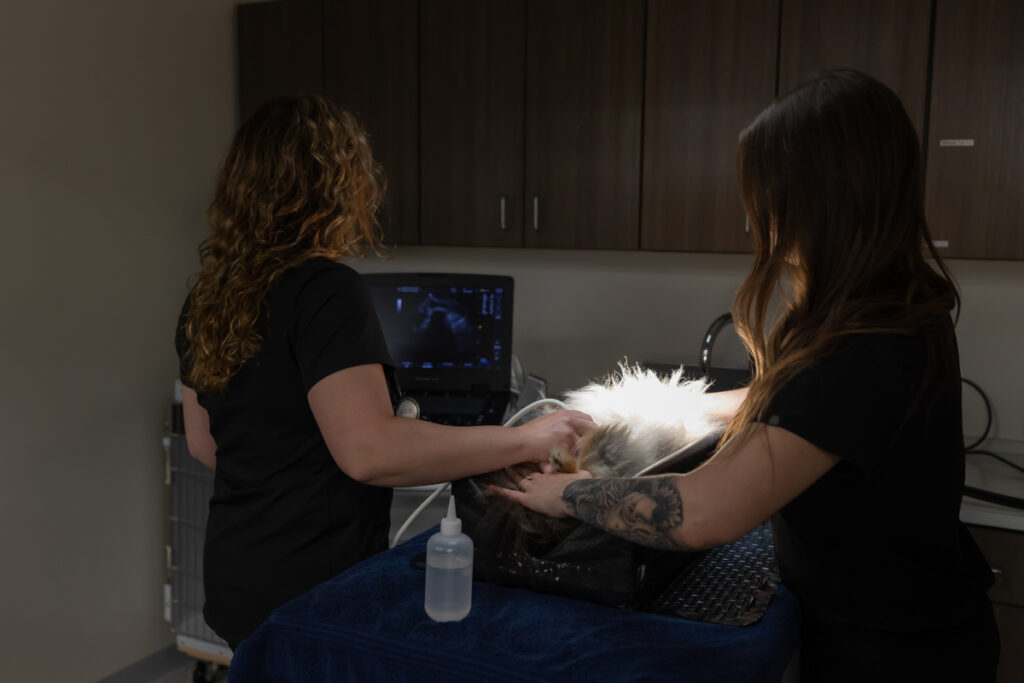
Radiographs (x-rays) and ultrasound provide different but complementary information about your pet’s internal organs and structures. Using both allows the vet to more accurately identify the cause of illness or injury and create the most effective treatment plan. They allow us to examine:
- Limping or possible fractures
- Ingested foreign objects
- Abdominal pain
- Respiratory concerns
- Spinal issues
This is one of the most important diagnostics for pets experiencing sudden pain, trauma, or unusual behaviors.
4. Cytology
Cytology is a quick and minimally invasive procedure that allows us to evaluate cells from skin, ears, lumps, and body fluids. It helps to diagnose infections, inflammation, parasites and sometimes cancer.
- Bacteria
- Yeast
- Mites
- Inflammatory cells
- Allergic reactions
This means we can select the right medication on the first try, rather than guessing.
5. Fecal Testing
Gastrointestinal issues are one of the top reasons families visit urgent care. Fecal testing helps detect parasites and infections that cause:
- Diarrhea
- Vomiting
- Weight loss
- Stool changes
These tests are quick and extremely effective at guiding treatment.
6. Specialized Labs (When Needed)
In some cases, we send samples to outside laboratories for specialized evaluation. These are typically reserved for more complex or long-term conditions.
How Pet Diagnostics Support Urgent Care
Urgent care is designed for pets who need attention the same day, and their primary vet may not be open. Diagnostics play a central role here because they help us:
- Determine the cause of symptoms
- Provide fast results onsite
- Create a clear treatment plan
- Decide whether referral to a 24-hour specialty hospital is needed
At Urgent Pet Care Center, we perform diagnostics quickly and efficiently while keeping you informed every step of the way. To learn more about our team and approach, visit our About Us page.
When Your Pet May Need Diagnostic Testing
Diagnostics are helpful during routine checkups, but they’re especially important when your pet is showing sudden symptoms, such as:
- Persistent vomiting or diarrhea
- Pain or limping
- Lethargy or collapse
- Increased thirst or urination
- Difficulty breathing
- Eye discharge or redness
- Ear odor or scratching
- Skin redness, bumps, or hair loss
- Refusal to eat
- Sudden behavioral changes
These symptoms can point to multiple conditions. Diagnostics help us narrow them down quickly. If you’re unsure whether your pet needs to be seen today, you can browse our Services page or simply walk in during business hours.
What to Expect During Diagnostic Testing
We know that bringing your pet in during a stressful moment can feel overwhelming. Our goal is to make the process comfortable for both you and your pet. Here’s what you can expect:
1. A Thorough Examination
We begin with a hands-on exam and a detailed history so we understand what’s happening.
2. Recommendations for Diagnostics
Based on the exam, we’ll discuss which tests will provide the clearest answers. You’ll know costs upfront—no surprises.
3. Gentle Handling and Calm Support
Your pet’s comfort is our priority. We take a slow, compassionate approach to help them feel safe.
4. Fast Results
Most diagnostics are performed in-house with results available during your visit.
5. Clear Communication
Once results are ready, we review them with you in a clear, understandable way.
6. A Personalized Treatment Plan
Your pet receives care tailored to their needs—whether that includes medication, wound care, supportive treatment, or monitoring at home.
7. Follow-Up Guidance
We’ll explain what to watch for and when to return. If needed, we’ll refer you to a specialty or emergency hospital.
How Diagnostics Help You Make Confident Decisions
Many pet owners feel more at ease when diagnostics provide clarity. Instead of guessing, you receive:
- A confirmed diagnosis
- Clear options
- Expected outcomes
- Cost transparency
- Peace of mind that the right steps are being taken
This is especially important for families balancing busy schedules, children, and daily life. The more information you have, the easier it is to make confident choices about your pet’s care.
The Role of Diagnostics in Long-Term Pet Wellness
Even though Urgent Pet Care Center focuses on same-day needs, the information from diagnostics supports your pet’s health well beyond your visit.Diagnostic findings can help with:
- Managing chronic conditions
- Identifying early disease
- Preventing complications
- Informing your primary veterinarian
- Developing future treatment plans
We work closely with families and their regular veterinarians to ensure smooth continuity of care.
We’re Here to Support Your Pet’s Health
If your dog or cat is showing sudden symptoms and may need pet diagnostics, walk in during business hours or contact us with any questions. Our team is here to help with clear answers and same-day care.
This article was generated with the assistance of artificial intelligence (AI). While reviewed for accuracy and clarity by UPCC, it should be considered general information. We still recommend contacting the UPCC team for personalized advice.