

Hearing that your pet needs pet diagnostics can be overwhelming — especially when you’re already worried about how they’re feeling. For many pet parents, the word “diagnostics” immediately brings up fear, uncertainty, and concerns about what might be found. At Urgent Pet Care Center, we believe diagnostics should bring clarity and comfort, not additional stress.
This guide is designed to help pet parents better understand what pet diagnostics are, why they matter, and how tools like bloodwork and X-rays help veterinarians make thoughtful, compassionate decisions about your pet’s care. Knowledge can ease anxiety, and our goal is to help you feel informed, supported, and confident every step of the way.
What Are Pet Diagnostics?
Pet diagnostics refer to medical tests that help veterinarians understand what’s happening with your pet. Because pets can’t tell us where it hurts or how long something has felt “off,” diagnostics provide objective information that guides safe, effective treatment. It’s not about assuming the worst-it’s about gathering facts to ensure your pet receives the right care.
Common veterinary diagnostics include:
- Blood tests (complete blood counts, blood chemistries)
- Urinalysis and fecal examinations
- X-rays (radiographs) and ultrasound
- Cytology (examining cells)
- Infectious disease testing (Heartworm, tick diseases, etc)
Together, these tests create a complete picture of your pet’s health so we can make informed, confident decisions about their care.
Why Pet Diagnostics Are So Important
Many diseases produce similar clinical signs and symptoms (such as vomiting, lethargy, weight loss, or coughing), so pet diagnostics can provide information to help narrow down a diagnosis and create a treatment plan.
Diagnostic tests are important because they help veterinarians move beyond symptoms and identify what is actually happening inside an animal’s body.
Some key reasons veterinarians run diagnostics include:
Diagnose illness accurately by identifying the underlying cause of symptoms.
Detect disease early, often before serious signs develop.
Guide treatment decisions and help avoid unnecessary therapies.
Monitor ongoing conditions and evaluate treatment effectiveness.
Assess overall health, including pre-anesthetic and wellness screening.
Improve safety by identifying hidden issues that may affect medications, anesthesia, or procedures.
In short, diagnostics give veterinarians objective information about a pet’s health, helping them diagnose problems earlier, treat them more effectively, and monitor progress over time.
Understanding Bloodwork: What It Tells Us About Your Pet
Your veterinarian recommends blood work because it provides information about your pet’s health that can’t be seen during a physical exam alone.
Bloodwork can help evaluate:
- Organ function (kidneys, liver, pancreas)
- Infection and inflammation
- Anemia and blood cell abnormalities
- Hydration and electrolyte balance
- Blood sugar and other metabolic conditions
These results help your veterinarian identify possible causes of your pet’s symptoms, determine the severity of illness, choose the most appropriate treatment, and monitor your pet’s response to care. While bloodwork may not provide a diagnosis on its own, it is often an important step in understanding what is making your pet sick.
When Is Bloodwork Recommended?
Bloodwork may be recommended during urgent care visits, routine evaluations, or before certain treatments. It’s especially helpful when symptoms are vague or when your pet simply isn’t acting like themselves. If your dog or cat is experiencing ongoing vomiting or diarrhea, sudden lethargy, changes in appetite or thirst, unexplained weight loss, or signs of pain without an obvious cause, your veterinarian may suggest bloodwork to better understand what’s happening internally.
Rather than being a cause for alarm, bloodwork is often the fastest path to reassurance. It provides clear, objective information that helps your veterinary team rule out concerns, identify underlying issues, and create a treatment plan that supports your pet’s health with confidence.
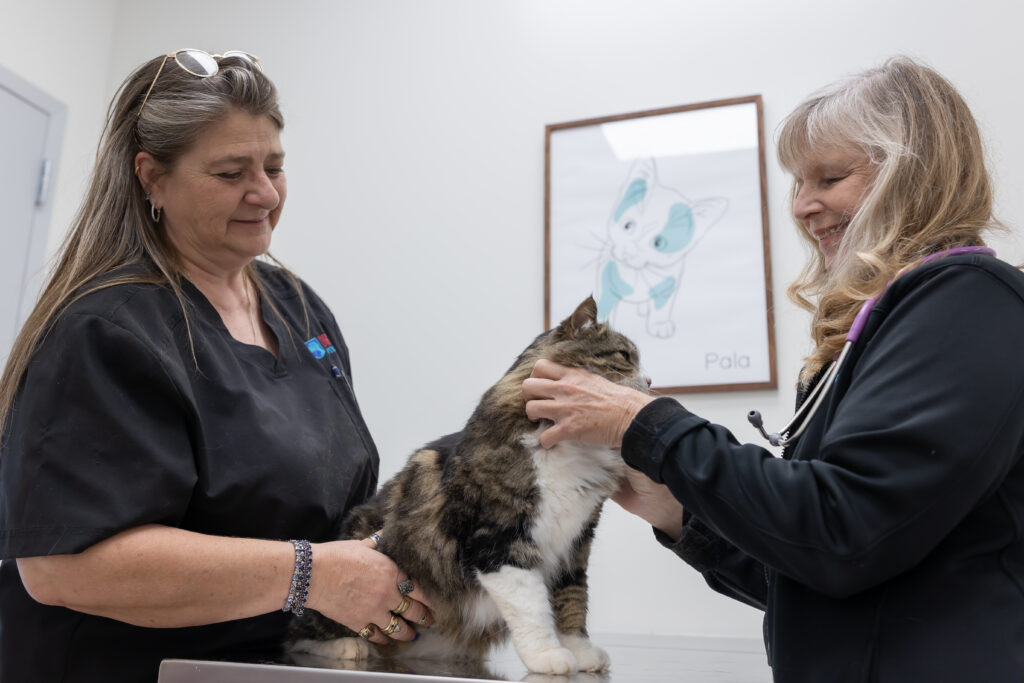
Pet Diagnostics: When it is an Emergency
When your pet is having an emergency, pet diagnostics help veterinarians understand your pet’s condition and determine the most appropriate steps for treatment and ongoing care.
At Urgent Pet Care, diagnostics allow us to:
- Quickly assess severity
- Begin treatment right away when appropriate
- Refer to emergency hospitals when necessary
- Avoid unnecessary delays
This efficient use of pet diagnostics helps reduce stress for both pets and their owners.
What to Expect During Diagnostic Testing
One of the biggest sources of anxiety for pet parents is not knowing what will happen. Transparency and communication are key to comfort.
During diagnostic testing, you can expect:
- A clear explanation of why each test is recommended
- Gentle handling of your pet
- Honest discussions about findings
- Guidance on treatment options and costs
At Urgent Pet Care Center, our goal is never to rush or pressure — only to support you and your pet with clarity and compassion.
Are Pet Diagnostics Painful for Pets?
This is a very common concern, and in most cases, pet diagnostics are minimally invasive and well-tolerated. Bloodwork involves a quick needle stick, similar to a routine vaccination. X-rays are painless and typically completed within minutes, and urine and fecal tests are noninvasive.
The veterinary team at Urgent Pet Care Center is trained to minimize your pets stress at every step, using calm handling techniques and gentle reassurance to help your pet feel as comfortable as possible throughout the process.
How Pet Diagnostics Help Avoid Unnecessary Treatment
Another benefit of pet diagnostics is preventing unnecessary medications or procedures. When veterinarians have clear information, they can tailor treatment specifically to your pet’s needs.
Pet diagnostics help avoid:
- Overmedicating
- Treating the wrong condition
- Delaying proper care
- Increased costs from trial-and-error approaches
Accurate diagnostics often save time, money, and emotional strain in the long run.
The Emotional Side of Diagnostics for Pet Parents
It’s completely normal to feel anxious when diagnostics are discussed. For many families, pets are deeply loved members of the household, and uncertainty can feel overwhelming. Taking the next step in your pet’s care often comes with questions — and that’s okay.
We encourage pet parents to ask questions, share concerns openly, and take the time they need to process information. You’re not expected to navigate these decisions alone. Compassionate veterinary care includes emotional support alongside medical expertise, and the staff at Urgent Pet Care Center is there to guide you every step of the way.
Pet Diagnostics as a Tool for Peace of Mind
Sometimes, the greatest value of pet diagnostics is reassurance. Many tests come back normal; and that information is just as important as identifying a problem. Clear results help your veterinarian understand what’s not happening, which can be incredibly relieving during a stressful time.
Normal findings can rule out serious illness, confirm that rest or minor treatment is appropriate, and provide much-needed peace of mind. Pet diagnostics aren’t just about finding problems. They’re about providing answers so you can move forward with clarity and confidence.
How We Approach Pet Diagnostics at Urgent Pet Care
At Urgent Pet Care Center, we approach pet diagnostics as a collaborative process between our veterinary team and pet parents. Every diagnostic recommendation is based on your pet’s symptoms, medical needs, and overall well-being, with the goal of providing answers that guide the best possible care.
We focus on:
- Clear explanations of recommended tests and what they can tell us
- Transparent, individualized recommendations based on your pet’s condition
- Respect for your questions, concerns, and decisions
- Timely results, whenever possible, to help guide treatment quickly.
We believe informed pet parents make confident decisions. That’s why we’re committed to providing the information, support, and guidance you need to understand your pet’s condition and the next steps in their care.
Helping Pet Parents Feel Informed, Supported, and Confident
When your pet isn’t feeling well, uncertainty can be just as stressful as the symptoms themselves. Pet diagnostics provide clarity during confusing moments and help ensure your pet receives appropriate, timely care.
If you’re concerned about your pet’s health or have questions about bloodwork or other diagnostics, our team is here to help. Learn more about our services and let us guide you with calm, compassionate care — every step of the way. You can also stay connected with us on social media for behind-the-scenes updates, pet health education, and helpful tips to keep your dog or cat feeling their best.