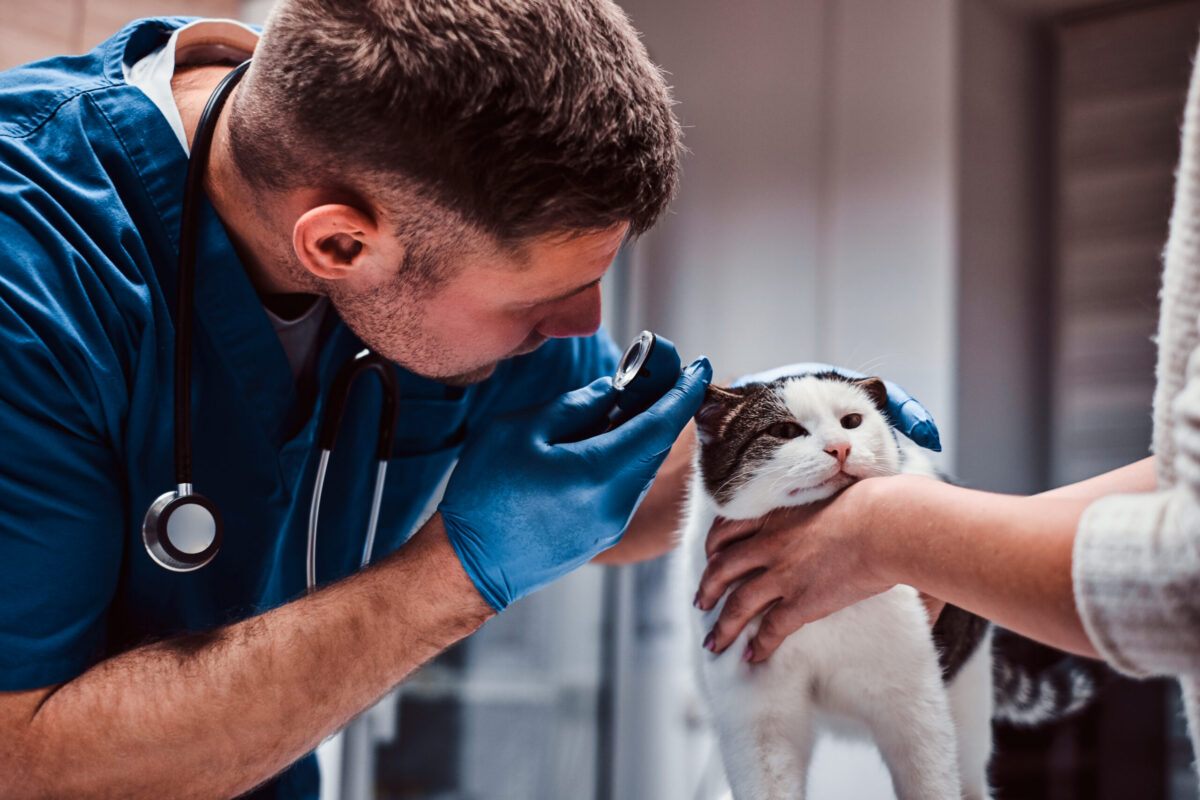
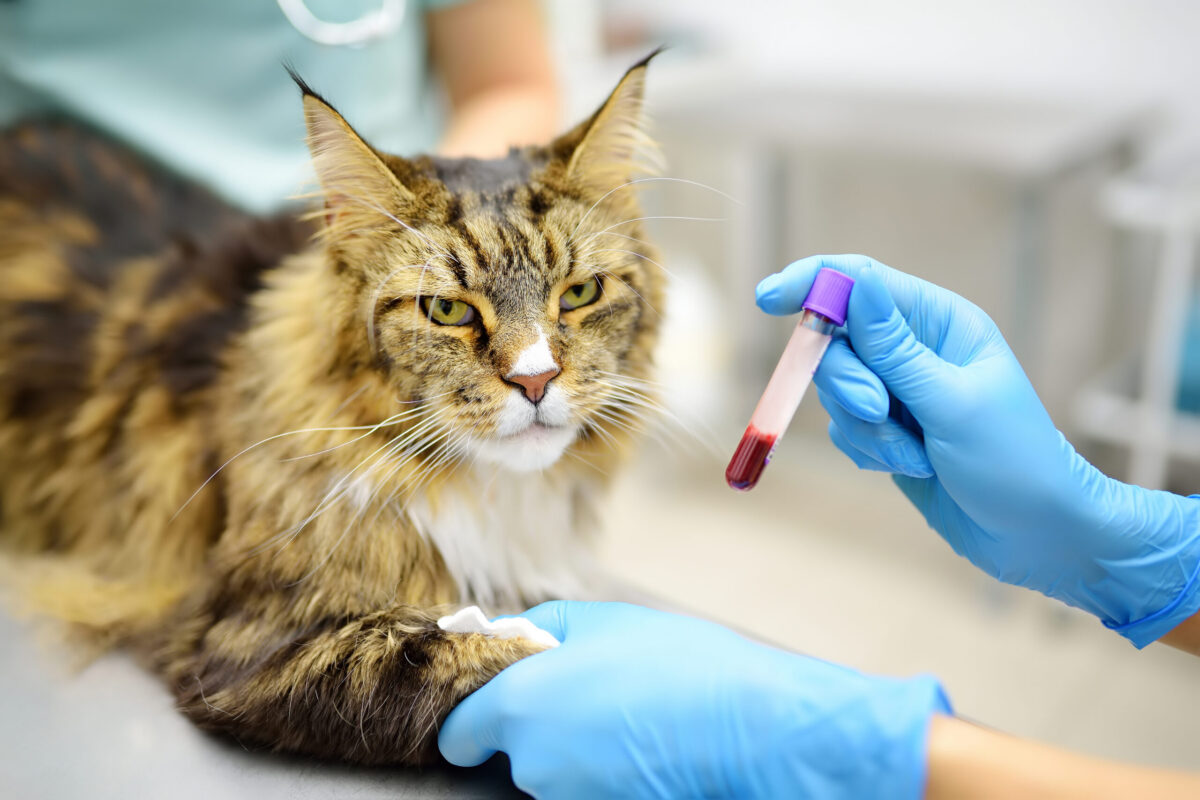
What Is Bloodwork for Pets?
Bloodwork refers to laboratory testing performed on a sample of your pet’s blood. These tests provide valuable information about how your pet’s body is functioning internally. Unlike symptoms, which can sometimes point to multiple conditions, blood testing helps veterinarians gather objective data on organ function, infections, hydration status, immune response, and other important health indicators. Because many illnesses develop internally before obvious symptoms appear, bloodwork often serves as an early warning system, allowing veterinarians to identify concerns sooner. For both dogs and cats, bloodwork is one of the most commonly recommended diagnostic tools and plays a major role in modern veterinary care.Why Bloodwork Is So Important
Many pet owners wonder why veterinarians recommend blood testing so frequently. The answer is simple: it provides a clearer picture of what is happening inside your pet’s body. A physical exam can reveal a lot, but bloodwork helps uncover issues that cannot be seen externally. Blood testing can help veterinarians:- Detect infections
- Evaluate liver function
- Assess kidney health
- Monitor blood sugar levels
- Identify inflammation
- Measure hydration status
- Detect anemia
- Evaluate immune system responses
- Monitor chronic diseases
- Identify potential toxin exposure
When Does a Pet Need Bloodwork?
There are many situations where bloodwork may be recommended.During Illness
One of the most common reasons for blood testing is when a pet suddenly becomes sick. Symptoms that may warrant bloodwork include vomiting, diarrhea, loss of appetite, lethargy, increased thirst, weight loss, weakness, and changes in behavior. In urgent care situations, bloodwork often helps determine whether symptoms are caused by infection, organ dysfunction, metabolic disease, or another underlying issue.Before Procedures
Bloodwork is commonly recommended before certain medical procedures, especially those involving sedation or anesthesia. Pre-procedure testing helps ensure your pet’s organs are functioning properly and can identify risks that may influence treatment decisions.During Wellness Care
Routine blood testing is not only useful when pets are sick. Many veterinarians recommend periodic blood testing as part of preventive care. This can help detect health concerns before symptoms develop, particularly in senior pets.Monitoring Chronic Conditions
Pets with ongoing medical conditions often benefit from regular bloodwork. Conditions that may require monitoring include diabetes, kidney disease, liver disease, thyroid disorders, autoimmune diseases, and long-term medication use. Regular testing allows veterinarians to track changes and adjust treatment as needed.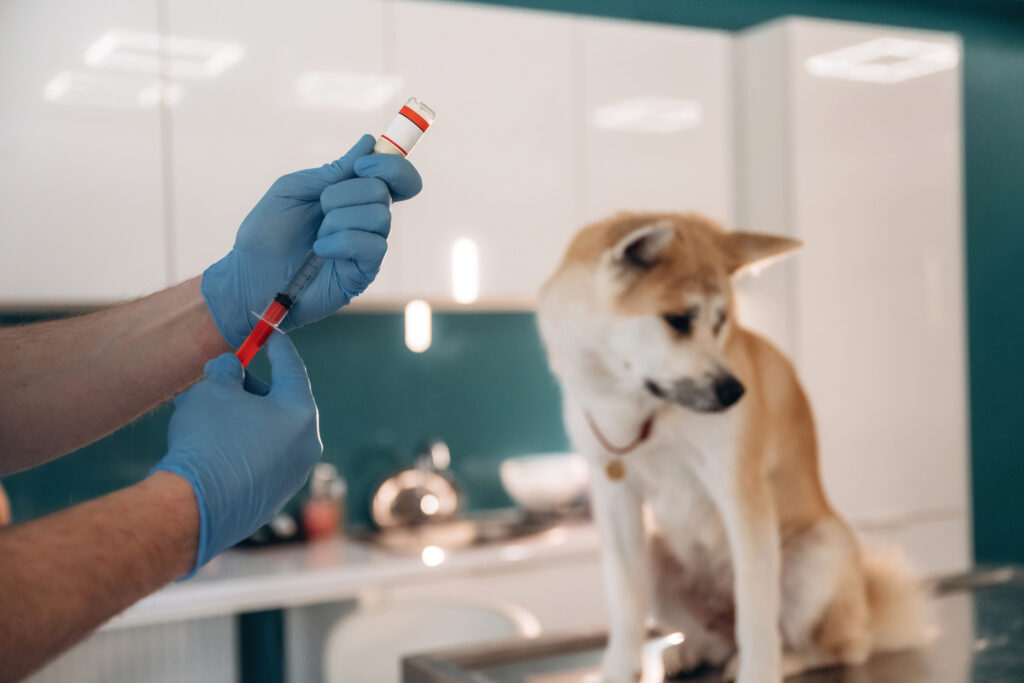
Understanding the Different Types of Blood Testing
Not all blood tests evaluate the same things. Depending on your pet’s symptoms, your veterinarian may recommend one or more specific tests.
Complete Blood Count (CBC)
A Complete Blood Count measures different types of blood cells. This test evaluates red blood cells, white blood cells, and platelets.
A CBC can help detect:
- Infections
- Anemia
- Inflammation
- Immune system disorders
- Blood clotting issues
Because it provides valuable information about overall health, it is often one of the first tests performed when a pet is ill.
Blood Chemistry Panel
A chemistry panel focuses on organ function and metabolic health.
This type of bloodwork evaluates:
- Liver enzymes
- Kidney values
- Blood sugar
- Electrolytes
- Proteins
- Calcium levels
Blood chemistry testing helps veterinarians assess how major organs are functioning and identify abnormalities that may require treatment.
Electrolyte Testing
Electrolytes play a crucial role in hydration, muscle function, and nerve signaling.
Pets experiencing vomiting, diarrhea, or dehydration often benefit from electrolyte testing as part of their pet diagnostics evaluation.
Specialized Blood Tests
Depending on symptoms, additional blood testing may be recommended.
Examples include:
- Thyroid testing
- Heartworm screening
- Tick-borne disease testing
- Pancreatitis testing
- Infectious disease screening
- Hormone testing
These specialized tests provide more detailed information when specific conditions are suspected.
What Bloodwork Can Reveal About Your Pet’s Health
One of the reasons veterinarians value bloodwork so highly is the wide range of conditions it can help identify.
Kidney Disease
Kidney disease is common in both dogs and cats, especially as they age. Blood testing can detect changes in kidney function before symptoms become severe.
Early detection often allows for more effective management and improved quality of life.
Liver Disease
The liver performs many important functions throughout the body.
Abnormal liver values may indicate:
- Infection
- Inflammation
- Toxin exposure
- Gallbladder issues
- Chronic liver disease
Bloodwork helps identify these concerns and determine whether additional diagnostics are needed.
Diabetes
Elevated blood sugar levels can indicate diabetes. Early diagnosis allows pets to begin treatment before serious complications develop.
Infection and Inflammation
Many infections trigger changes in white blood cell counts.
Blood testing can help veterinarians identify:
- Infectious diseases
- Systemic inflammation
- Immune responses
This information often guides treatment decisions and medication selection.
Anemia
Anemia occurs when the body does not have enough healthy red blood cells.
Symptoms may include:
- Weakness
- Pale gums
- Fatigue
- Reduced activity
Bloodwork helps determine whether anemia is present and can provide clues about its underlying cause.
How Bloodwork Supports Pet Diagnostics
Comprehensive pet diagnostics involve gathering information from multiple sources, including physical exams, medical history, imaging, and laboratory testing.
Bloodwork often serves as the foundation of the diagnostic process because it provides immediate insight into how the body is functioning internally.
In many urgent care situations, blood testing helps veterinarians:
- Confirm suspected diagnoses
- Rule out serious conditions
- Prioritize treatment plans
- Monitor treatment progress
- Determine whether additional testing is needed
By combining bloodwork with other diagnostic tools, veterinarians can create a more complete picture of your pet’s health.
Is Blood Testing Safe for Pets?
Many pet owners worry that blood draws may be stressful or uncomfortable for their pets. Fortunately, blood testing is generally very safe and well-tolerated.
Veterinary professionals are trained to collect samples quickly and efficiently while minimizing discomfort. Most blood samples are collected from a vein in the leg or neck and only require a few moments to complete.
In many cases, pets are far less bothered by the procedure than their owners expect.
How Long Does It Take to Get Results?
The timing of bloodwork results depends on the specific tests being performed.
Many urgent care facilities, including Urgent Pet Care Center, offer in-house diagnostic capabilities that allow certain results to be available the same day.
Rapid access to blood testing results helps veterinarians begin treatment sooner, make informed decisions quickly, and provide answers during the visit whenever possible.
Some specialized tests may require submission to an outside laboratory and can take several days to return.
Signs Your Pet May Benefit From Bloodwork
If your pet is experiencing any of the following symptoms, bloodwork may be recommended as part of their evaluation:
- Vomiting
- Diarrhea
- Appetite loss
- Increased thirst
- Excessive urination
- Weight loss
- Weakness
- Lethargy
- Behavioral changes
- Pale gums
- Unexplained pain
These symptoms can be associated with a wide variety of medical conditions, making blood testing an important diagnostic tool.
Why Early Diagnosis Matters
One of the greatest benefits of bloodwork is its ability to identify health concerns early.
Many illnesses become more difficult and expensive to treat as they progress. Detecting problems sooner often allows for faster treatment, better outcomes, reduced discomfort, more treatment options, and improved long-term health.
Even when symptoms seem mild, blood testing can uncover issues that deserve attention before they become serious.
Compassionate Diagnostics When Your Pet Needs Answers
When your pet is sick, injured, or simply not acting like themselves, having access to reliable answers can make all the difference. Bloodwork provides valuable insight into your pet’s health and helps veterinarians make informed decisions about diagnosis and treatment.
At Urgent Pet Care Center, we offer advanced bloodwork, comprehensive blood testing, and thorough pet diagnostics to help identify health concerns quickly and accurately. Our experienced team is committed to providing compassionate, efficient care so you can feel confident about your pet’s treatment plan.
If your pet is experiencing concerning symptoms or may benefit from diagnostic testing, contact Urgent Pet Care Center today. We’re here to help you find answers and support your pet’s health every step of the way.
Looking for more pet care insights? Follow us on social media for helpful health tips, clinic news, and updates from our team throughout the year.