When your cat won’t eat, it’s natural to worry — especially if they’re usually eager to eat. Appetite changes in cats are never something to brush off. Eating is closely tied to pet wellness and a cat’s overall health, and even a short period without food can have an impact on your cat’s well-being.
At Urgent Pet Care Center, we frequently see cats brought in because they’ve suddenly stopped eating. Sometimes the cause is mild and temporary. Other times, it’s an early warning sign that something deeper is going on. This guide will help you understand why cats stop eating, what you can safely try at home, and when it’s time to seek veterinary care.
Why It’s Concerning When a Cat Won’t Eat
Cats have unique metabolisms. Unlike some pets, they are not designed to go long periods without food. When a cat won’t eat for even 24–48 hours, it can begin to affect their liver function and overall health.
Loss of appetite can quickly impact energy levels, hydration, immune response, and digestive function. Over time, it can also affect a cat’s long-term health if the underlying cause isn’t addressed. This is why veterinarians take appetite changes seriously — even when other symptoms seem mild.
Common Reasons a Cat Won’t Eat
There isn’t one single reason a cat may stop eating. Often, it’s the result of physical discomfort, stress, or illness that isn’t immediately obvious.
Medical causes:
- Dental disease or mouth pain
- Gastrointestinal upset or nausea
- Infections or fever
- Kidney or liver disease
- Pancreatitis
- Pain from injury or arthritis
Non-medical causes:
- Stress or anxiety
- Changes in routine
- New food or sudden diet changes
- New pets or people in the household
- Loud environments or construction
Because cats tend to hide discomfort, appetite loss is often one of the earliest indicators that their pet’s wellness is compromised.
How Long Is Too Long When a Cat Won’t Eat?
A helpful rule of thumb is to monitor your cat closely if they haven’t eaten for 12–24 hours. If appetite loss continues for 24–48 hours, a veterinary evaluation is recommended. When it extends beyond 48 hours, urgent care becomes especially important.
Kittens, senior cats, and those with chronic health conditions should be evaluated even sooner. And if your cat won’t eat and is also vomiting, hiding, or acting lethargic, it’s best not to wait before seeking care.
What You Can Try at Home (Short-Term)
If your cat has skipped a meal or two but is still alert and responsive, there are a few low-risk steps you can try at home.
Gentle steps to encourage eating:
- Warm canned food slightly to enhance the aroma
- Try a different texture (pâté vs. shredded)
- Move food to a quiet, low-traffic area
- Offer smaller portions more frequently
- Ensure fresh water is easily accessible
Avoid force-feeding or offering human foods without veterinary guidance. If your cat won’t eat despite these efforts, professional care is the safest next step.
When a Cat Won’t Eat Because of Pain or Illness
Cats have unique metabolisms. Unlike some pets, they are not designed to go long periods without food. When a cat won’t eat for even 24–48 hours, it can begin to affect their liver function and overall health.
Loss of appetite can quickly impact energy levels, hydration, immune response, and digestive function. Over time, it can also affect a cat’s long-term health if the underlying cause isn’t addressed. This is why veterinarians take appetite changes seriously — even when other symptoms seem mild.
How Pet Wellness Impacts Appetite
Routine pet wellness care plays a major role in preventing appetite issues. Regular exams allow veterinarians to spot trends — like gradual weight loss or dental disease — before they cause a cat to stop eating entirely.
Pet wellness care supports:
- Oral and dental health
- Early detection of kidney disease
- Nutritional balance
- Monitoring of chronic conditions
When a cat won’t eat, their wellness history helps guide faster, more accurate treatment decisions.
What Your Vet May Evaluate
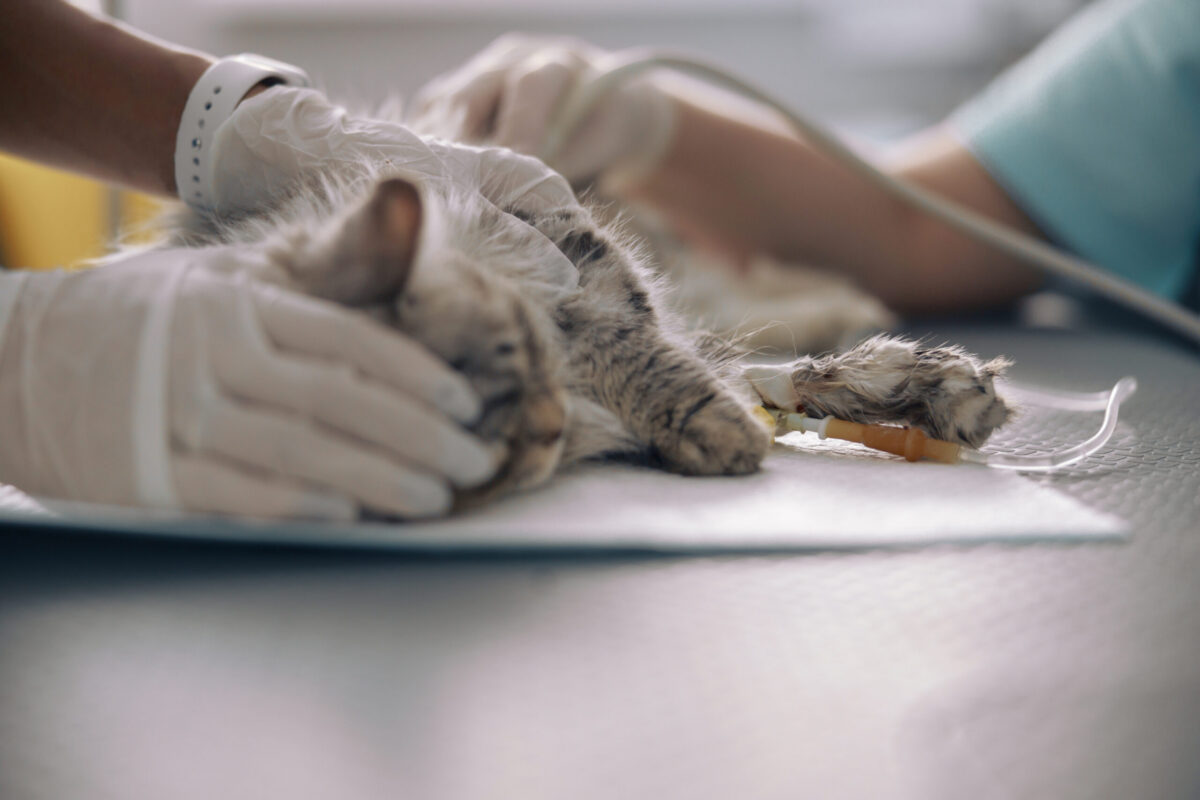
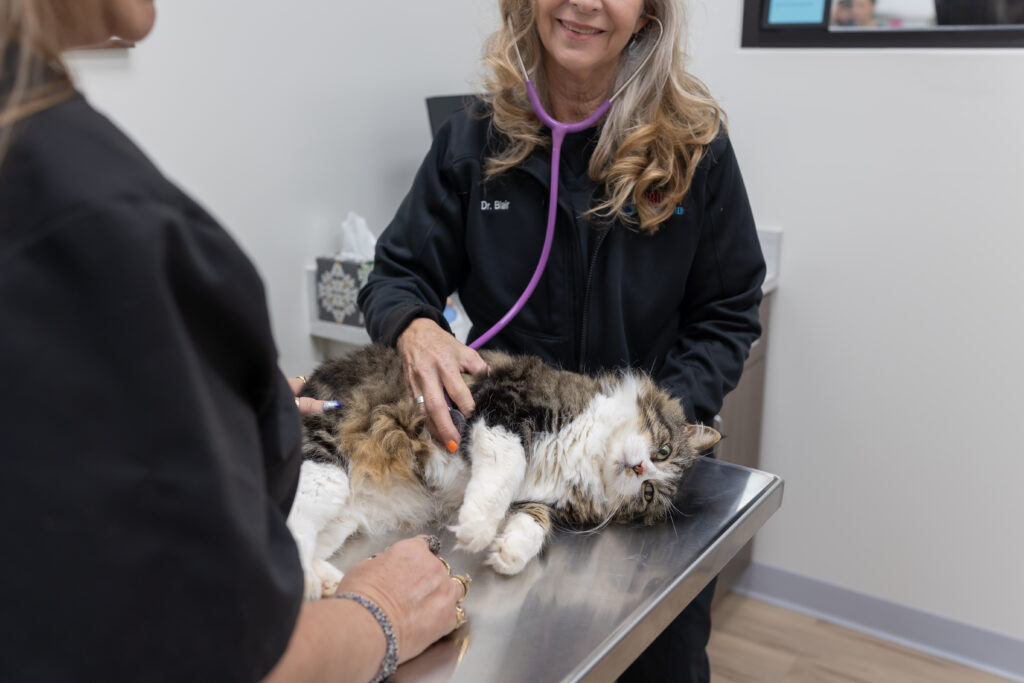
If you bring your cat in for appetite concerns, the focus will be on identifying the underlying cause rather than simply treating the symptom. Appetite loss is often a signal that something else is happening, and a thorough evaluation helps ensure nothing important is missed.
A veterinary visit may include a full physical examination, an oral and dental assessment, bloodwork to evaluate organ function, and imaging such as X-rays if needed. These diagnostics help determine whether the appetite change is temporary or related to a larger concern affecting your cat’s overall health.
Why Waiting Can Be Dangerous
If your cat isn’t eating, it’s important not to take a “wait and see” approach for too long. Unlike many other animals, cats can develop serious health complications when they go without food, even for a relatively short period of time.
When a cat stops eating, their body begins breaking down fat for energy. This can lead to a potentially life-threatening liver condition called Hepatic Lipidosis, particularly in overweight cats. In addition, the underlying cause of the appetite loss—such as an infection, kidney disease, diabetes, or gastrointestinal illness—may continue to worsen without treatment. Prompt veterinary evaluation can help identify the cause, prevent complications, and get your cat feeling better sooner.
Stress, Anxiety, and Appetite Loss in Cats
Not every instance when a cat won’t eat is due to an underlying medical condition. Emotional stress can significantly impact your cat’s wellness, and even subtle changes in a cat’s environment can affect their appetite.
Common stressors include moving or travel, changes in daily routine, new pets or family members, and loud or unfamiliar environments. Even when appetite loss appears stress-related, it should still be monitored closely. If it lasts more than a day or two, seeking veterinary guidance is important to rule out underlying health concerns.
Supporting Recovery and Long-Term Health
Once the cause of appetite loss is identified, treatment can be tailored to your cat’s specific needs. Addressing the underlying issue is the priority, whether it’s related to discomfort, illness, or stress.
Support may include medication for nausea or pain, appetite stimulants, dietary adjustments, and ongoing monitoring to ensure steady improvement. The goal isn’t just to get your cat eating again — it’s to protect their long-term health and overall comfort.
Helping You Decide When to Seek Care
If you’re ever unsure what to do when your cat won’t eat, trust your instincts. You know your cat’s normal habits better than anyone.
Seek veterinary care if:
- Your cat hasn’t eaten in 24 hours
- Appetite loss is paired with other symptoms
- Your cat is very young or senior
- You feel uncertain or concerned
Getting answers early often brings peace of mind — even when the issue turns out to be minor.
Helping Pet Parents Navigate Appetite Concerns With Confidence
When your cat won’t eat, it’s natural to feel worried and unsure of the next step. Appetite changes are an important indicator of pet wellness and overall cat health.
If you’re concerned about your cat’s eating habits, our team is here to help. Contact us and let us evaluate your cat with calm, compassionate care — so you don’t have to navigate uncertainty alone.
Be sure to follow us on social media for updates, helpful pet health tips, updates, and guidance you can trust.