
What Does “Lethargic” Mean in Dogs?
The word “lethargic” is often used to describe a dog that appears unusually tired, sluggish, or less interested in normal activities. However, lethargy goes beyond simply being sleepy. A lethargic dog may:- Refuse to play
- Sleep significantly more than usual
- Avoid walking or exercising
- Shows little interest in food
- Seems weak or unsteady
- Withdraw from family interaction
- Respond more slowly than normal
Common Reasons a Dog Becomes Lethargic
There are many reasons a dog may experience low energy. Some causes are relatively minor, while others require prompt medical evaluation.Mild Illnesses
Just as humans may feel tired when fighting off a cold or infection, dogs can become lethargic when they are not feeling well. Temporary lethargy may accompany mild stomach upset, minor viral infections, stress, recent vaccinations, and changes in routine. In these situations, energy levels often improve within a day or two. However, persistent symptoms should never be ignored.Pain or Discomfort
Dogs often hide pain remarkably well. A dog experiencing discomfort may not cry or limp noticeably but may instead become unusually quiet and inactive. Pain-related causes of lethargy can include:- Arthritis
- Muscle strain
- Back injuries
- Dental disease
- Ear infections
- Internal injuries
Could Your Dog Have Eaten Something They Shouldn’t?
One common reason pet owners seek urgent veterinary care is that their dog ate something unusual. Dogs are naturally curious and often investigate the world with their mouths. Unfortunately, this can sometimes lead to accidental ingestion of harmful items. Common examples include chocolate, grapes or raisins, human medications, household cleaners, trash, toys, socks, plants, and xylitol-containing products. If your dog ate something they shouldn’t have, lethargy may be one of the first warning signs. Depending on the substance involved, additional symptoms may include vomiting, diarrhea, drooling, tremors, or difficulty walking. Even if your dog initially appears normal, some toxins take time to cause visible symptoms. If you suspect your dog ate something dangerous, it is always best to contact a veterinarian promptly.Other Pet Symptoms That May Accompany Lethargy
A lethargic dog is often experiencing more than just low energy. Paying attention to additional pet symptoms can help determine how serious the situation may be. Some warning signs include:- Vomiting
- Diarrhea
- Appetite loss
- Increased thirst
- Difficulty breathing
- Pale gums
- Coughing
- Weakness
- Shaking
- Weight loss
- Swollen abdomen

When Is a Lethargic Dog an Emergency?
Not every lethargic dog requires emergency treatment, but certain situations warrant immediate care.
Seek veterinary attention right away if your dog:
- Cannot stand or walk
- Collapses
- Has difficulty breathing
- Experiences seizures
- Refuses food and water
- Has pale, white, or blue gums
- Vomits repeatedly
- Shows signs of severe pain
- Has a swollen abdomen
- Appears disoriented or unresponsive
These symptoms can indicate serious conditions that should not be delayed.
Trust your instincts. If your dog seems significantly different from normal, it is better to seek professional advice than to wait and hope the symptoms improve.
Medical Conditions That Can Cause Lethargy
Many underlying health conditions can lead to decreased energy levels.
Infections
Bacterial, viral, and fungal infections often cause lethargy as the body works to fight illness. Dogs with infections may also experience fever, loss of appetite, vomiting, diarrhea, and coughing.
Early diagnosis often leads to more effective treatment and faster recovery.
Digestive Problems
Gastrointestinal issues are among the most common causes of urgent veterinary visits.
Conditions may include:
- Dietary indiscretion
- Intestinal blockage
- Pancreatitis
- Gastroenteritis
- Parasites
If your dog ate something unusual and becomes lethargic, digestive complications may be involved.
Dehydration
Dehydration can develop quickly, especially in dogs experiencing vomiting, diarrhea, or heat exposure.
Signs of dehydration include:
- Dry gums
- Sunken eyes
- Weakness
- Reduced appetite
- Lethargy
Prompt treatment often includes fluid therapy and management of the underlying cause.
Organ Disease
Chronic conditions affecting the kidneys, liver, heart, or endocrine system may cause gradual or sudden lethargy. These conditions often develop over time and may initially present as subtle pet symptoms.
Veterinary diagnostics can help identify underlying health concerns before they become more severe.
How Veterinarians Diagnose a Lethargic Dog
Because lethargy can have many different causes, a thorough examination is often necessary.
Your veterinarian may begin by discussing:
- Recent behavior changes
- Diet
- Medication history
- Exposure to toxins
- Appetite changes
- Water intake
A physical examination helps identify signs of pain, dehydration, infection, or injury. Depending on findings, diagnostic testing may be recommended.
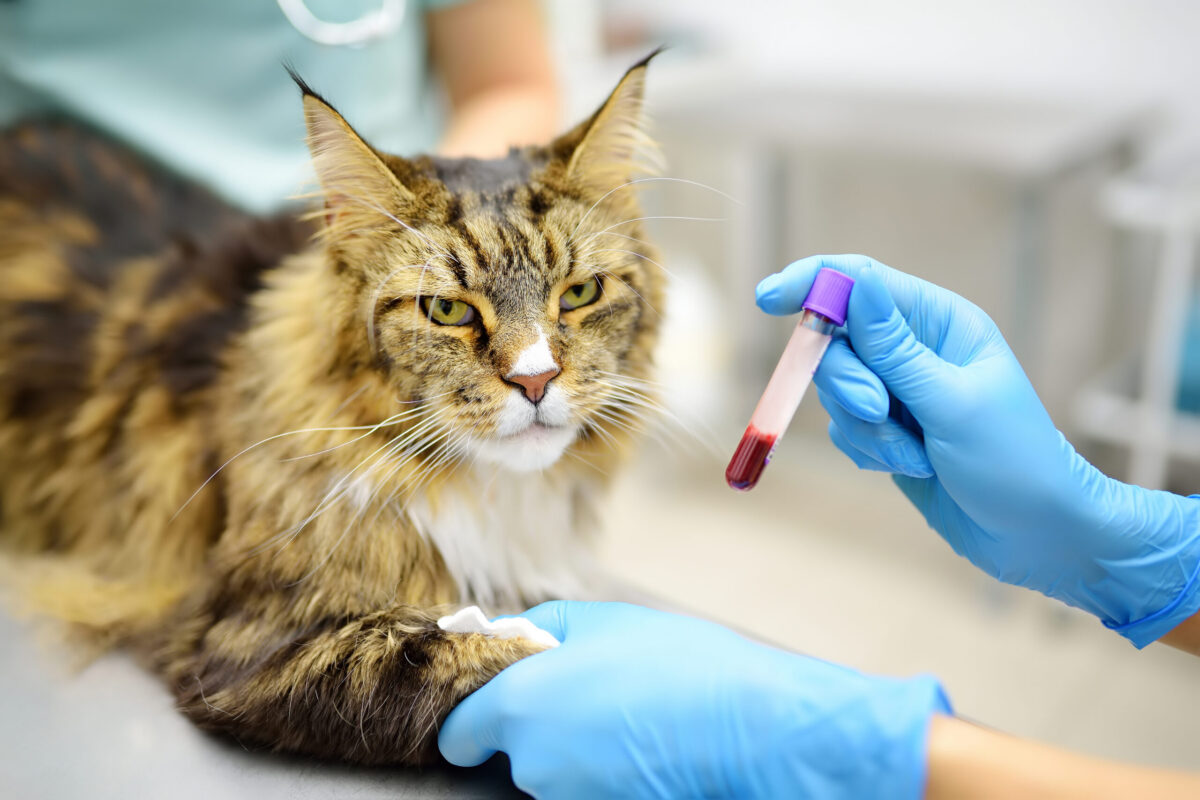
Common diagnostics include bloodwork, urinalysis, x-rays, fecal testing, and ultrasound. These tools help determine why a dog is lethargic and guide the most appropriate treatment plan.
What You Can Do at Home
If your dog appears mildly tired but is otherwise acting normally, careful observation may be appropriate.
Monitor:
- Eating habits
- Water consumption
- Bathroom habits
- Activity level
- Breathing
- New symptoms
Make sure your dog has access to fresh water and a comfortable place to rest. However, avoid delaying care if symptoms worsen or additional pet symptoms develop.
Preventing Health Emergencies
While not every illness can be prevented, there are steps pet owners can take to reduce risk.
Keep Harmful Items Out of Reach
Many urgent veterinary visits occur because a dog ate something dangerous.
Store the following securely:
- Human medications
- Cleaning products
- Chocolate
- Grapes
- Household chemicals
- Small objects
- Schedule Routine Veterinary Care
Regular wellness exams can help detect medical issues before they become serious. Preventive care often identifies concerns earlier, leading to better outcomes.
Pay Attention to Behavioral Changes
Dogs often show subtle signs before serious illness develops.
Changes worth monitoring include:
- Reduced energy
- Appetite changes
- Increased thirst
- Weight loss
- Bathroom habit changes
Recognizing these pet symptoms early can help prevent complications.
Why Early Veterinary Care Matters
Many conditions that cause lethargy are easier to treat when identified early. Waiting too long can allow illnesses to progress, making treatment more complicated and recovery more difficult.
Prompt evaluation can help:
- Relieve discomfort sooner
- Prevent worsening illness
- Improve treatment outcomes
- Provide peace of mind
- Identify hidden health concerns
Even when the cause turns out to be minor, having answers can help you feel confident about your dog’s health.
Compassionate Care When Your Dog Needs Help
A lethargic dog is often your pet’s way of signaling that something isn’t right. While occasional tiredness may be harmless, persistent lethargy should never be ignored—especially when accompanied by other concerning pet symptoms.
At Urgent Pet Care Center, our experienced team provides compassionate, same-day care for dogs experiencing illness, injury, or sudden behavioral changes. Whether your dog is unusually tired, your dog ate something concerning, or you’re noticing other unusual symptoms, we’re here to help you find answers quickly.
If your dog isn’t acting like themselves, contact Urgent Pet Care Center today. Prompt evaluation can provide peace of mind and help your pet get back to feeling their best.
Join our online community and follow us on social media for pet health advice, practice updates, and the latest news from our clinic.